Best running shoes for heavier runners
Most running shoe reviews are written by people who weigh around 70kg, and a lot of the advice does not survive contact with a heavier runner. The issue is not that shoes fall apart, it is that soft foam compresses further and recovers less under more load, so a shoe that feels plush in the shop can feel flat and dead within a couple of months.
What actually helps is a bit counterintuitive. Very soft, very light foams are usually the worst choice, because there is not enough material to work with. A firmer, denser midsole with a decent amount of it, a wide base, and a proper rubber outsole rather than exposed foam, will last much longer and feel more stable while it does.
The list below prioritises shoes with foams that hold their shape, high rated outsole durability, and a wide enough platform to feel steady. It deliberately marks down the lightweight racing foams, however good they feel for the first fifty miles.
The shortlist
These are the shoes the Shoe Finder quiz returns when you answer it as someone in this situation. Same database, same scoring, nothing added by hand. Answer it yourself and you will get a list shaped around your own feet, weight and budget rather than an average.
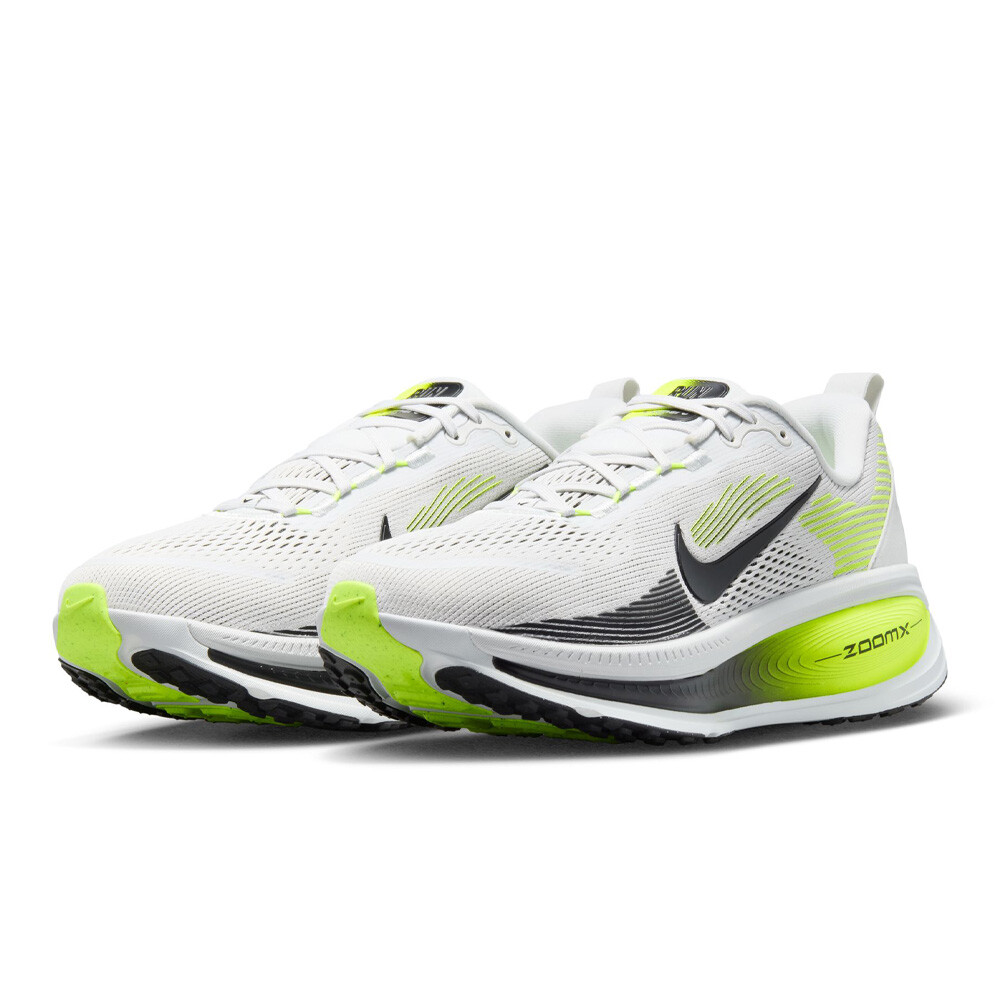
Nike Vomero 18
£134.99 · Max cushion · 298g · 10mm drop · 46mm stack · 4E available
Thick, soft and forgiving underfoot. Great value if you want maximum comfort on easy runs.
- Holds up under a heavier runner instead of bottoming out
- Hard wearing, so it should last a good few hundred miles
- Picked for comfortable everyday running
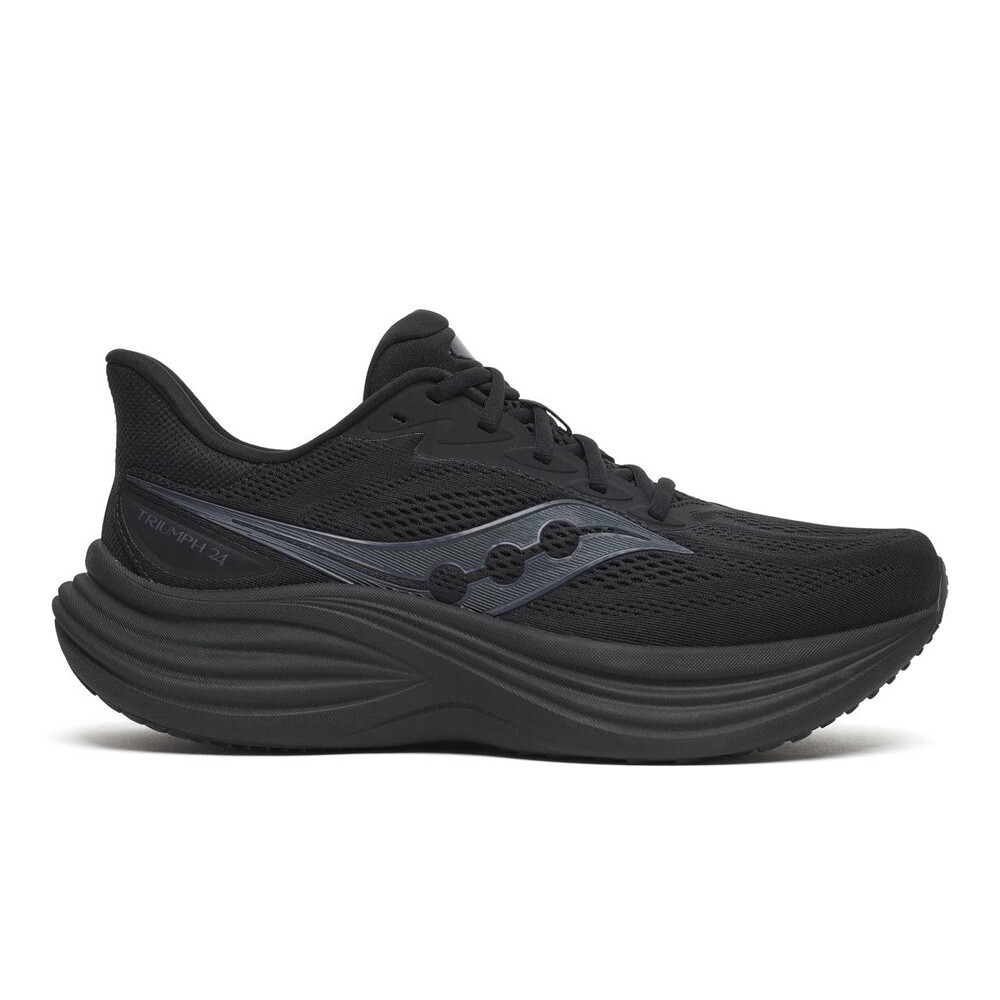
Saucony Triumph 24
£170 · Max cushion · 264g · 10mm drop · 40mm stack · wide fitting
Deep, soft cushioning that stays surprisingly light. One of the best long run shoes.
- Holds up under a heavier runner instead of bottoming out
- Hard wearing, so it should last a good few hundred miles
- Picked for comfortable everyday running

Brooks Glycerin 23
£165 · Max cushion · 297g · 8mm drop · 38mm stack · wide fitting
Brooks at its softest. A pricey but very comfortable shoe for steady miles.
- Holds up under a heavier runner instead of bottoming out
- Hard wearing, so it should last a good few hundred miles
- Picked for comfortable everyday running

Asics Gel-Nimbus 28
£179.99 · Max cushion · 278g · 8mm drop · 43mm stack · 4E available
Soft, protective and forgiving. The default choice for comfortable everyday miles.
- Holds up under a heavier runner instead of bottoming out
- Hard wearing, so it should last a good few hundred miles
- Picked for comfortable everyday running
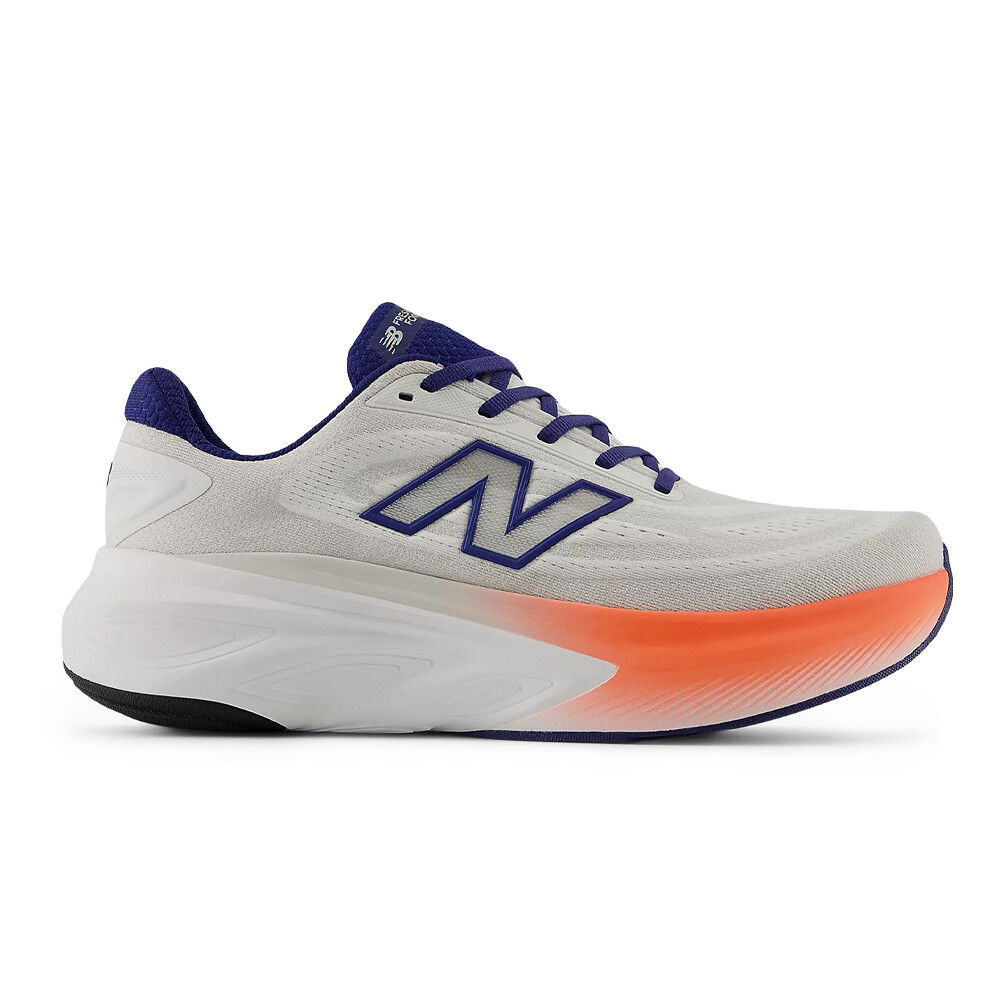
New Balance Fresh Foam X More v6
£150 · Max cushion · 306g · 4mm drop · 44mm stack · wide fitting
A huge slab of soft foam. Made for slow, comfortable miles and recovery days.
- Holds up under a heavier runner instead of bottoming out
- Hard wearing, so it should last a good few hundred miles
- Picked for comfortable everyday running

On Cloudmonster 3
£180 · Max cushion · 295g · 6mm drop · 40mm stack · nylon plate
Big, bouncy and fun underfoot, good for easy miles when your legs feel heavy.
- Holds up under a heavier runner instead of bottoming out
- Hard wearing, so it should last a good few hundred miles
- Picked for comfortable everyday running

Hoka Bondi 9
£160 · Max cushion · 297g · 5mm drop · 43mm stack · wide fitting
About as much cushioning as you can buy. Great if your legs and joints ache.
- Holds up under a heavier runner instead of bottoming out
- Hard wearing, so it should last a good few hundred miles
- Picked for comfortable everyday running
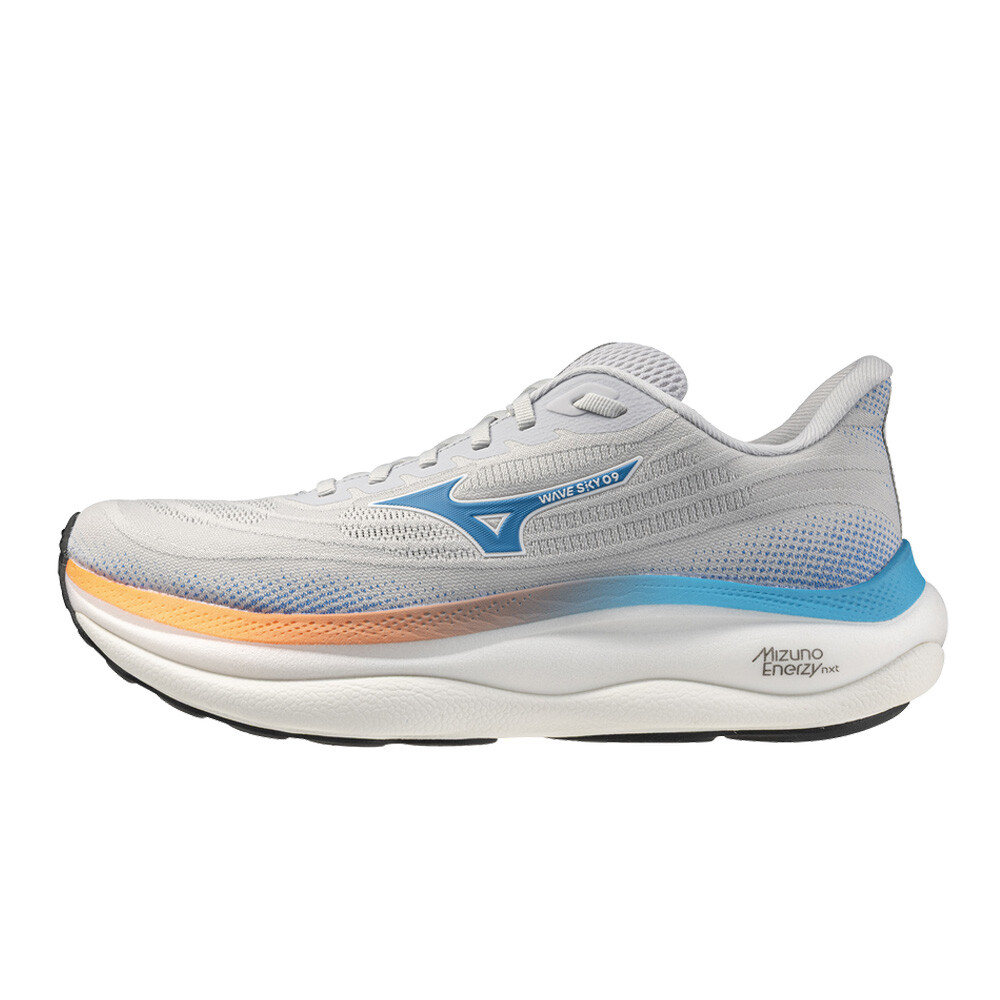
Mizuno Wave Sky 9
£165 · Max cushion · 295g · 6mm drop · 44mm stack
Thick, soft and protective, a comfy pick for recovery runs and long days.
- Holds up under a heavier runner instead of bottoming out
- Hard wearing, so it should last a good few hundred miles
- Picked for comfortable everyday running
How this list was put together
Every shoe in our database is scored against a set of rules, and this page shows the top eight for this particular need. The rules are written down in full on the how it works page, including which ones rule a shoe out completely. Nothing on this page is ordered by commission, and the prices are RRP, so shop around because they are very often discounted.
This is a starting point rather than a fitting. Where you can, try shoes on, and if you are running through pain see a physio rather than buying your way out of it.
Common questions
How often should I replace my running shoes?
The usual guidance is 300 to 500 miles. If you are heavier, plan for the lower end of that, and judge by feel rather than the odometer. When the shoe stops feeling springy underfoot and starts feeling like a flat board, the foam is done, even if the upper looks new.
Are max cushioned shoes better for heavier runners?
Often yes, because there is more foam to compress before you reach the bottom of it. The thing to check is that the foam is not the very softest available, and that the base is wide, since a tall soft stack on a narrow platform can feel tippy.
Should I avoid carbon plated shoes?
Not necessarily, but they are built for racing rather than durability, and the foams used are the ones that pack out quickest. If you want one, keep it for races rather than daily training.
Get a list for your feet, not an average one
The shortlist above assumes a fairly typical runner. The shoe finder asks about your width, how your ankles roll, your weight, where you run, your budget and any recurring niggles, then gives you three shoes and tells you why each one made it. It takes about a minute and there is no email or sign up.