Best running shoes for overpronation
Overpronation means your foot rolls inwards more than usual as it lands and loads. Almost everybody pronates to some degree, it is how your foot absorbs shock. It only becomes worth designing around when the roll is pronounced enough that your knee tracks inwards with it.
The way shoes address it has changed. The old approach was a hard block of denser foam under the arch, which you could feel and often did not like. Modern support shoes are subtler: wider midsoles, foam that is firmer on one side than the other, and raised sidewalls that guide the foot rather than blocking it. Brooks call theirs GuideRails, Asics build it into the Kayano and GT-2000, Hoka use a J shaped frame.
The honest caveat is that the research on whether support shoes prevent injury is a lot less settled than the marketing suggests. What is not in dispute is that many people find them more comfortable and more stable. That is a good enough reason on its own. If you are running through pain rather than just looking for a shoe, see a physio first.
The shortlist
These are the shoes the Shoe Finder quiz returns when you answer it as someone in this situation. Same database, same scoring, nothing added by hand. Answer it yourself and you will get a list shaped around your own feet, weight and budget rather than an average.

Brooks Ghost Max 4
£145 · Max cushion · 292g · 6mm drop · 39mm stack · wide fitting
A big, wide, forgiving platform. Very stable underfoot and kind to sore joints.
- Some built in support
- Picked for comfortable everyday running
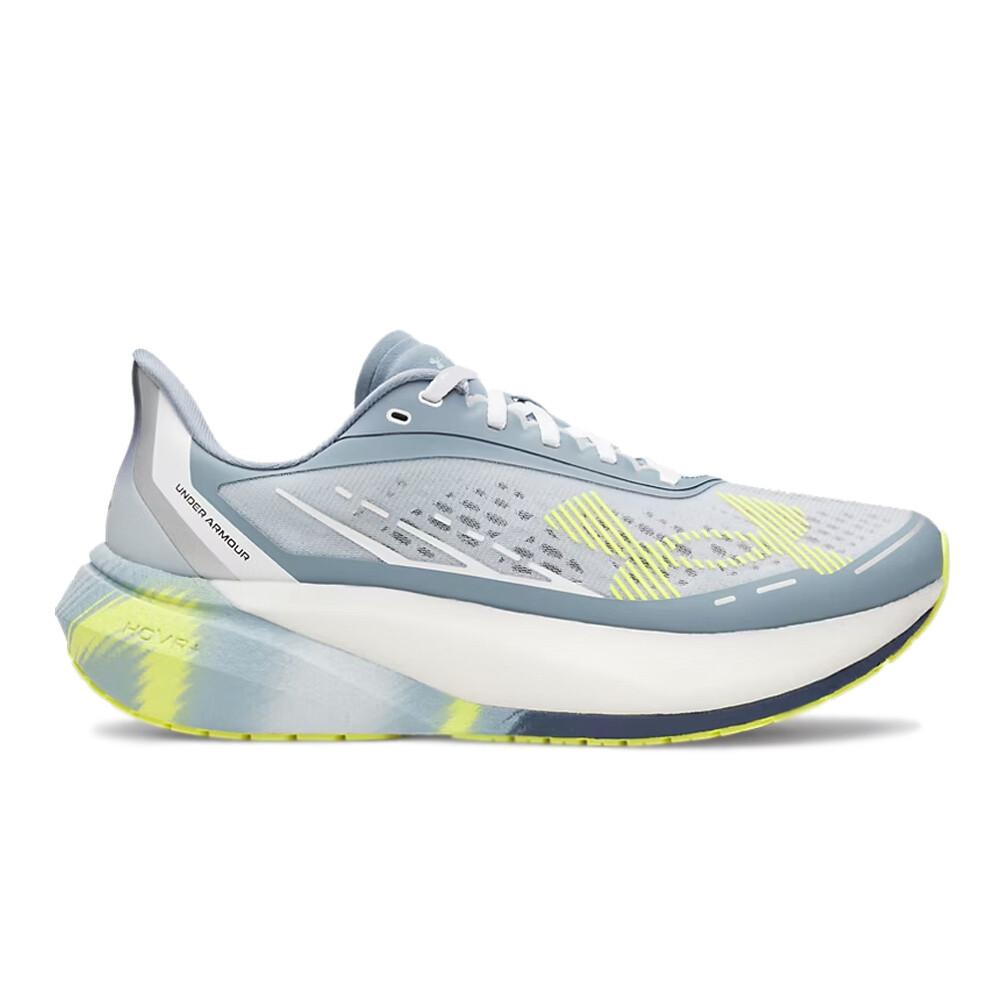
Under Armour Velociti Distance
£145 · Max cushion · 297g · 6mm drop · 38mm stack
Cushioned and steady, built for slow long runs rather than anything quick.
- Some built in support
- Picked for comfortable everyday running
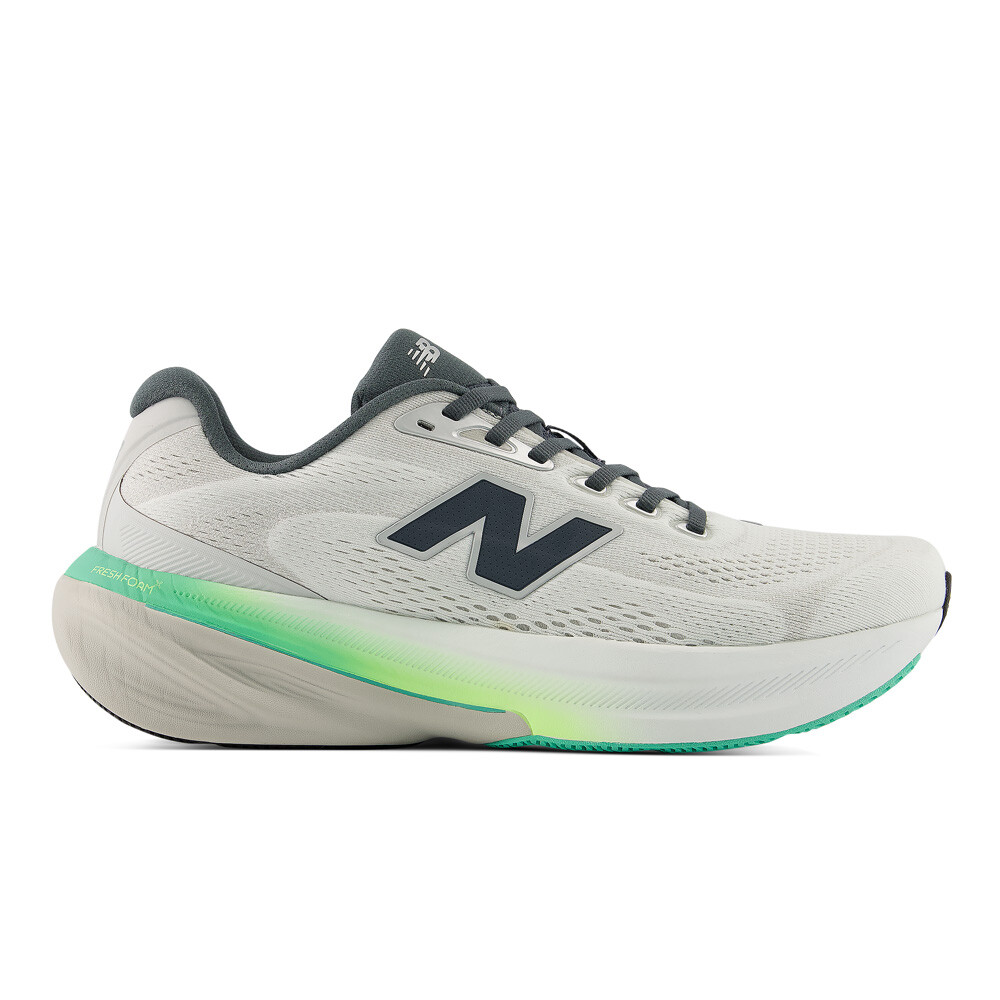
New Balance Fresh Foam X 860v15
£150 · Stability · 344g · 6mm drop · 40mm stack · 4E available
Solid, supportive and heavy. Best if you want obvious control and a roomy fit.
- Proper support to stop your foot rolling inwards
- Matches the balanced feel you asked for
- Picked for comfortable everyday running
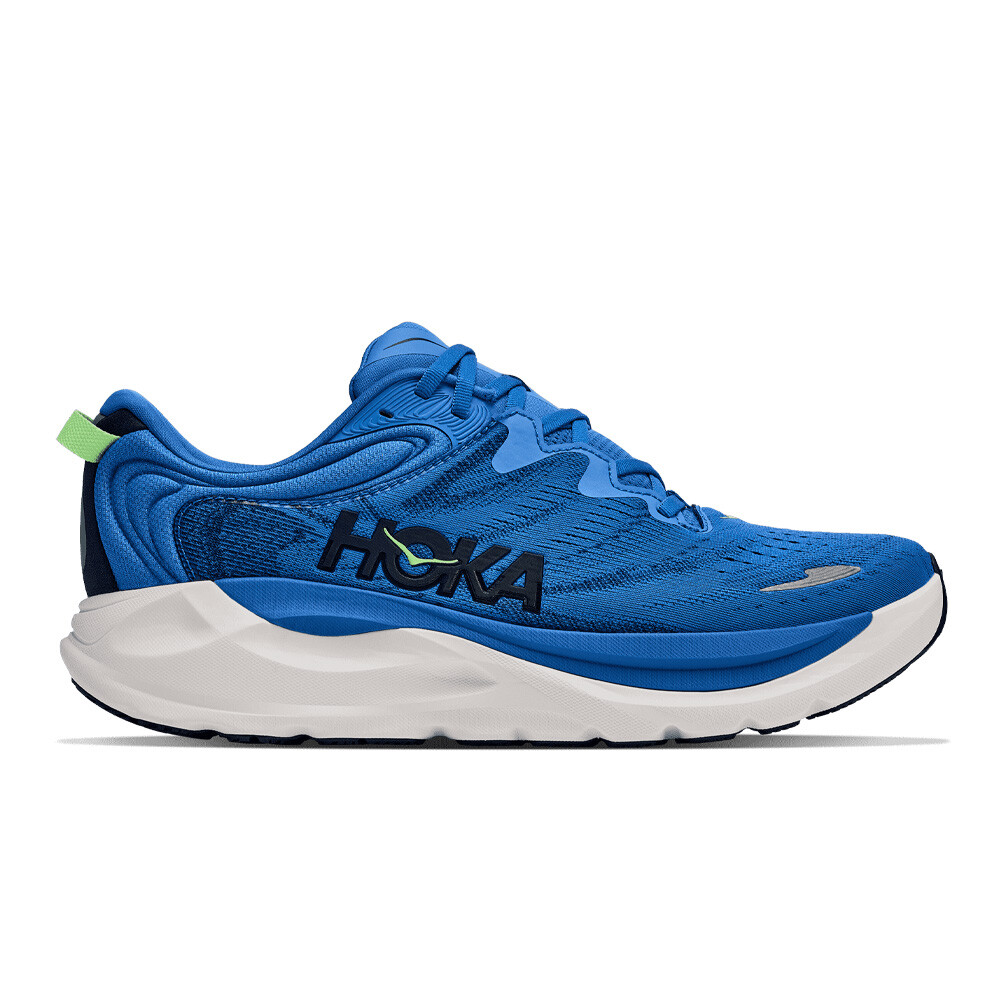
Hoka Gaviota 6
£160 · Stability · 283g · 6mm drop · 39mm stack · wide fitting
Maximum support and cushioning together. Built for feet that roll inwards a lot.
- Proper support to stop your foot rolling inwards
- Picked for comfortable everyday running
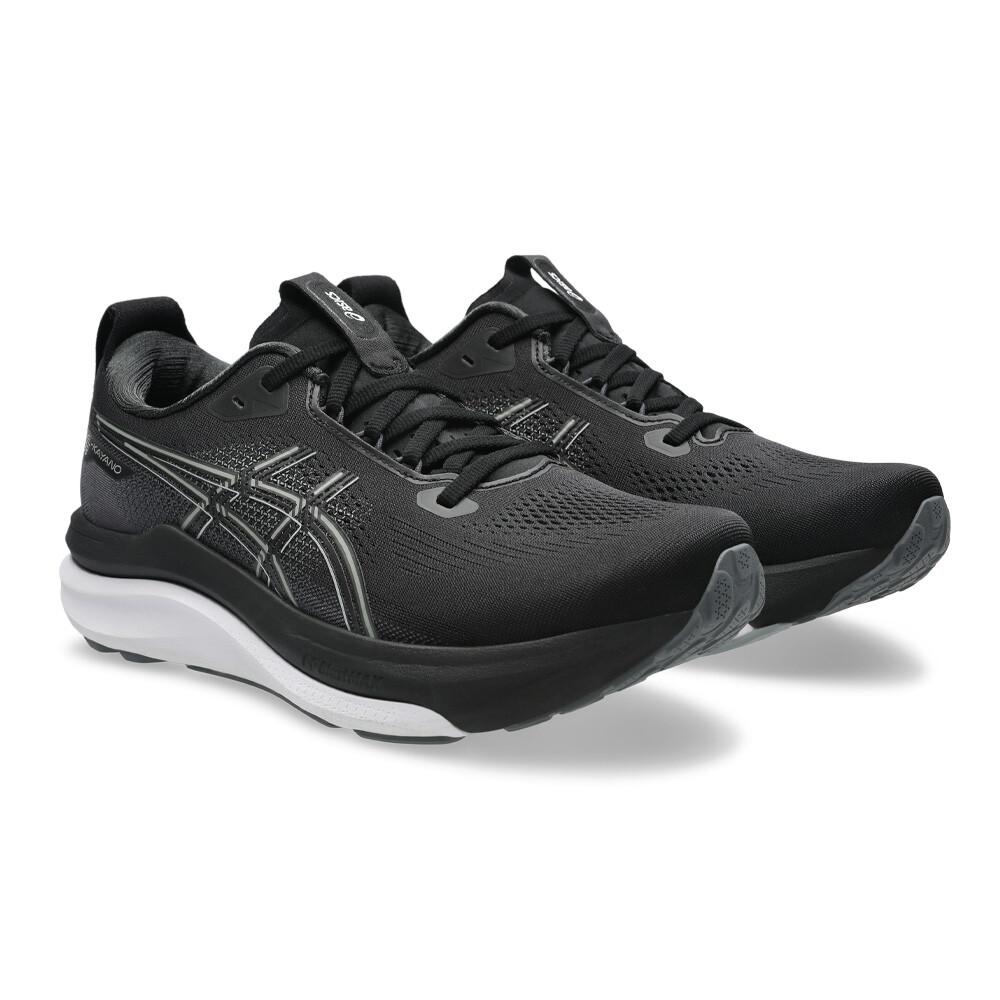
Asics Gel-Kayano 33
£179.99 · Stability · 298g · 8mm drop · 40mm stack · 4E available
The classic support shoe. Plush, stable and very hard to fall out with.
- Proper support to stop your foot rolling inwards
- Picked for comfortable everyday running

Saucony Hurricane 26
£170 · Stability · 262g · 6mm drop · 41mm stack · wide fitting
Loads of soft foam with support built in. Light for how much shoe it is.
- Proper support to stop your foot rolling inwards
- Picked for comfortable everyday running

Adidas Supernova Solution 3
£129.99 · Stability · 281g · 8mm drop · 35mm stack
Cushioned support with a generous fit. Quietly keeps your foot tracking straight.
- Proper support to stop your foot rolling inwards
- Picked for comfortable everyday running
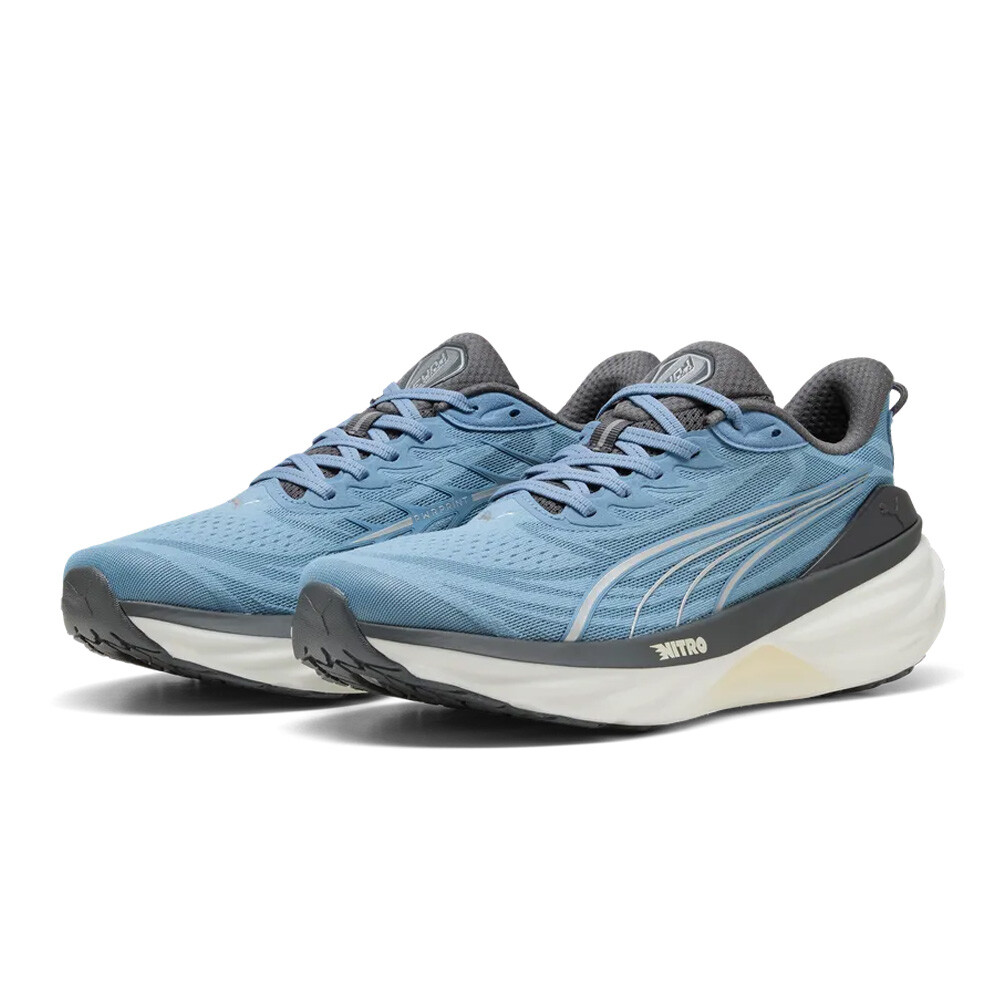
Puma ForeverRun Nitro 3
£140 · Stability · 290g · 8mm drop · 38mm stack
Firm rim around soft foam keeps wobbly ankles in line on longer runs.
- Proper support to stop your foot rolling inwards
- Matches the balanced feel you asked for
How this list was put together
Every shoe in our database is scored against a set of rules, and this page shows the top eight for this particular need. The rules are written down in full on the how it works page, including which ones rule a shoe out completely. Nothing on this page is ordered by commission, and the prices are RRP, so shop around because they are very often discounted.
This is a starting point rather than a fitting. Where you can, try shoes on, and if you are running through pain see a physio rather than buying your way out of it.
Common questions
How do I know if I overpronate?
Look at the soles of an old pair. Heavy wear on the inside edge of the forefoot, and a shoe that tilts inwards when you stand it on a table, both point to it. A running shop will film you on a treadmill for free, which is more reliable than guessing.
Do I need a stability shoe if I overpronate?
Not automatically. If you have no pain and no history of injury, a neutral shoe you find comfortable is a perfectly reasonable choice. Support is worth trying if you get inner shin or knee soreness, or if neutral shoes feel unstable to you.
What is the difference between stability and motion control?
Stability shoes guide the foot gently and suit mild to moderate overpronation, which is most people. Motion control shoes are much firmer and more rigid, and are now rare, aimed at severe cases usually alongside orthotics.
Get a list for your feet, not an average one
The shortlist above assumes a fairly typical runner. The shoe finder asks about your width, how your ankles roll, your weight, where you run, your budget and any recurring niggles, then gives you three shoes and tells you why each one made it. It takes about a minute and there is no email or sign up.