How to choose running shoes
Buying running shoes is made harder than it needs to be. There are a dozen specifications on every product page, most of them are marketing, and the two that decide whether you get on with a shoe are the two nobody mentions: does it fit, and does it feel right when you run in it.
Fit comes first and nothing else compensates for getting it wrong. You want roughly a thumb width in front of your longest toe, a midfoot that feels held rather than squeezed, and a heel that does not slip. Feet swell during a run and during the day, so shop in the afternoon and size for your bigger foot, because almost nobody has two the same.
After fit, the specifications worth caring about are heel to toe drop, which decides whether load goes through your knee or your calf, weight, which decides how quick a shoe feels, and the width fittings offered, which decides whether the shoe can fit you at all. Stack height and foam names are mostly noise. So, for most people, is gait analysis, because matching shoes to pronation has repeatedly failed to reduce injuries in studies that tested it properly.
The last thing worth saying is that there is no single best running shoe, only the best one for your feet and the running you actually do. That is the entire reason this site asks questions instead of publishing a top ten.
The shortlist
These are the shoes the Shoe Finder quiz returns when you answer it as someone in this situation. Same database, same scoring, nothing added by hand. Answer it yourself and you will get a list shaped around your own feet, weight and budget rather than an average.
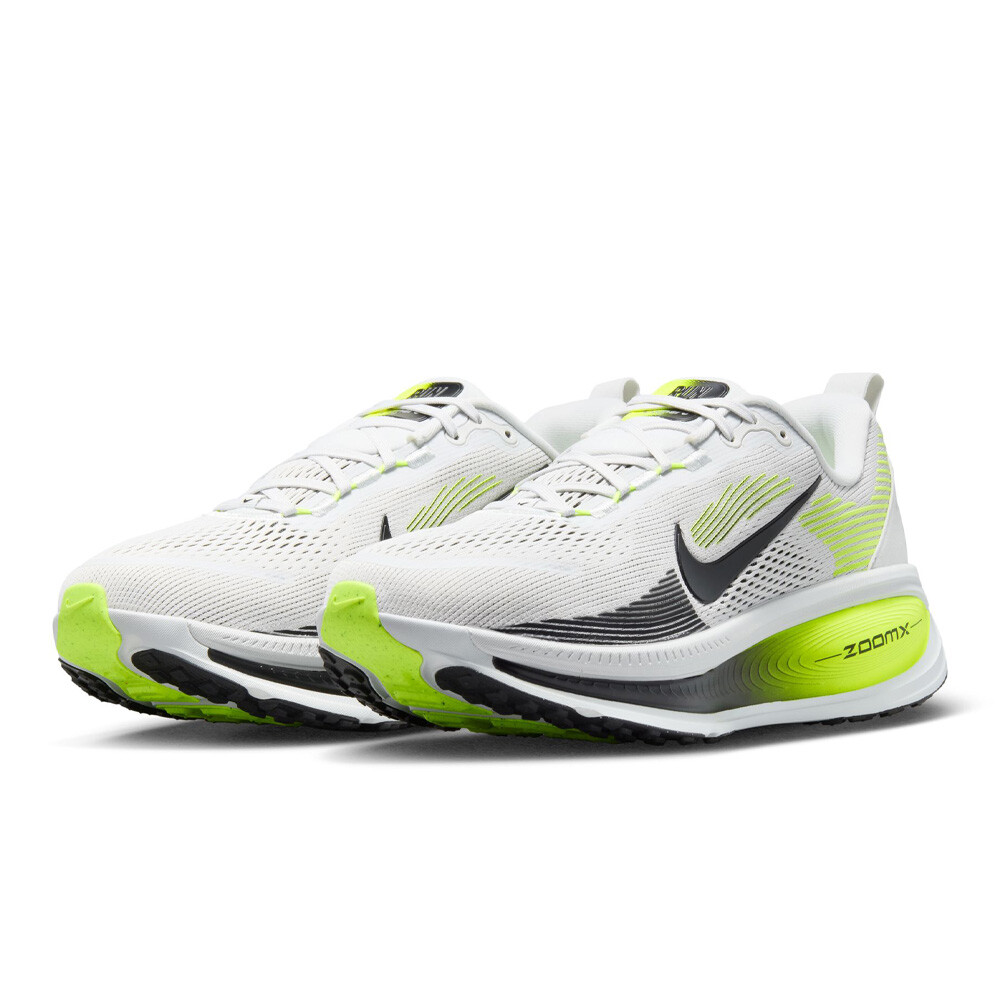
Nike Vomero 18
£134.99 · Max cushion · 298g · 10mm drop · 46mm stack · 4E available
Thick, soft and forgiving underfoot. Great value if you want maximum comfort on easy runs.
- Picked for comfortable everyday running
- Forgiving enough for someone new to running
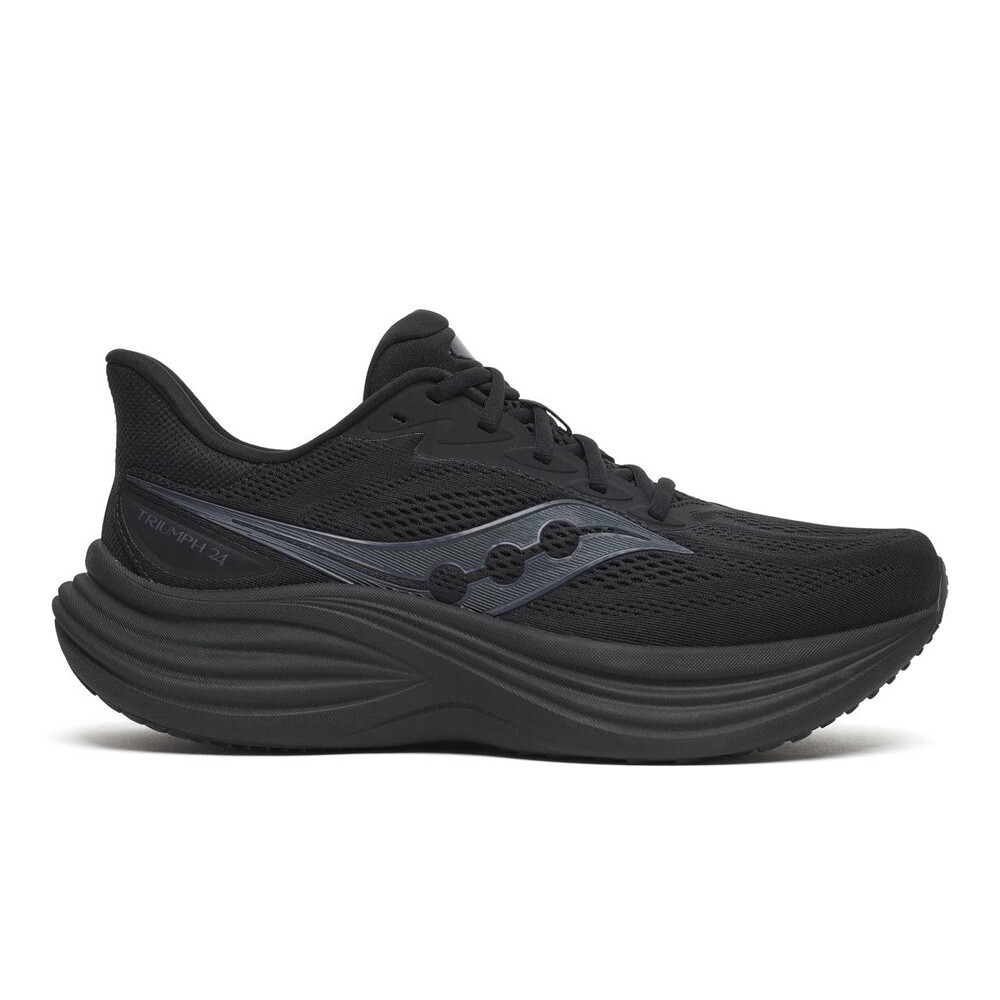
Saucony Triumph 24
£170 · Max cushion · 264g · 10mm drop · 40mm stack · wide fitting
Deep, soft cushioning that stays surprisingly light. One of the best long run shoes.
- Picked for comfortable everyday running
- Forgiving enough for someone new to running

Brooks Glycerin 23
£165 · Max cushion · 297g · 8mm drop · 38mm stack · wide fitting
Brooks at its softest. A pricey but very comfortable shoe for steady miles.
- Picked for comfortable everyday running
- Forgiving enough for someone new to running

Asics Gel-Nimbus 28
£179.99 · Max cushion · 278g · 8mm drop · 43mm stack · 4E available
Soft, protective and forgiving. The default choice for comfortable everyday miles.
- Picked for comfortable everyday running
- Forgiving enough for someone new to running
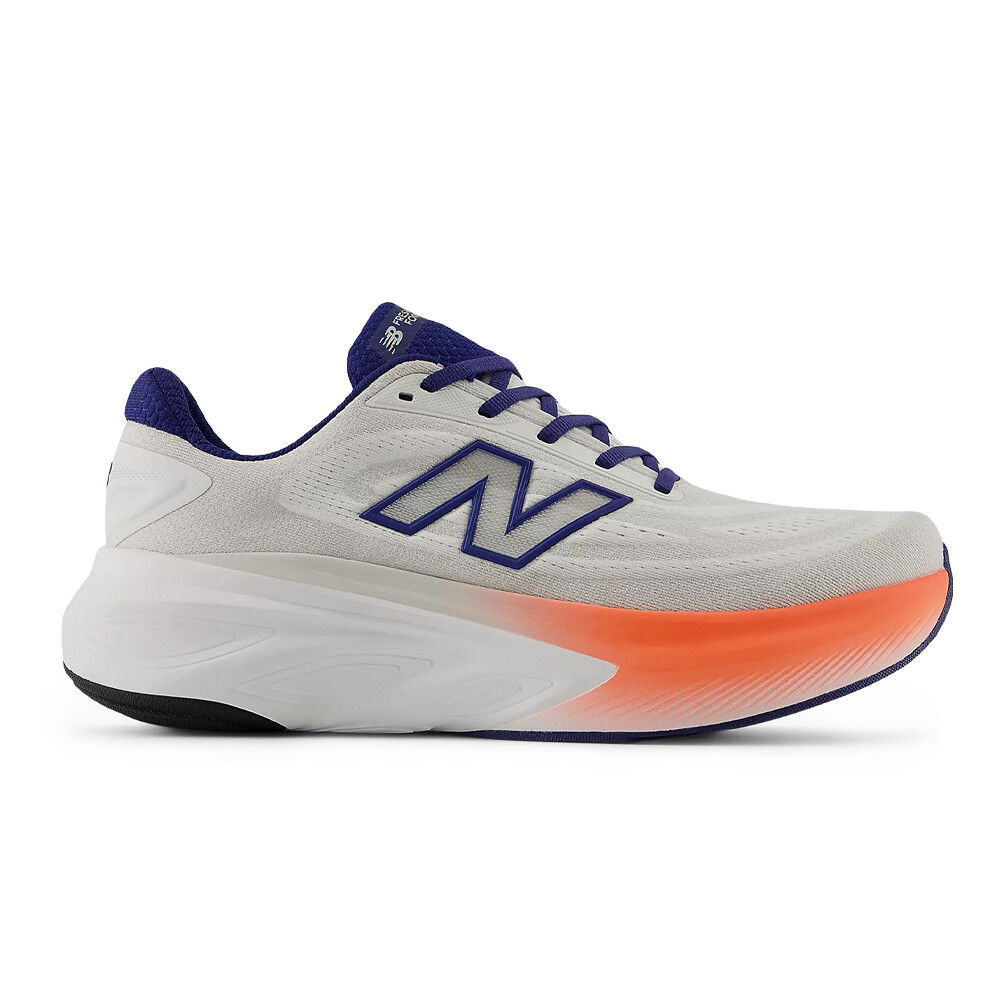
New Balance Fresh Foam X More v6
£150 · Max cushion · 306g · 4mm drop · 44mm stack · wide fitting
A huge slab of soft foam. Made for slow, comfortable miles and recovery days.
- Picked for comfortable everyday running
- Forgiving enough for someone new to running

On Cloudmonster 3
£180 · Max cushion · 295g · 6mm drop · 40mm stack · nylon plate
Big, bouncy and fun underfoot, good for easy miles when your legs feel heavy.
- Picked for comfortable everyday running
- Forgiving enough for someone new to running

Hoka Bondi 9
£160 · Max cushion · 297g · 5mm drop · 43mm stack · wide fitting
About as much cushioning as you can buy. Great if your legs and joints ache.
- Picked for comfortable everyday running
- Forgiving enough for someone new to running
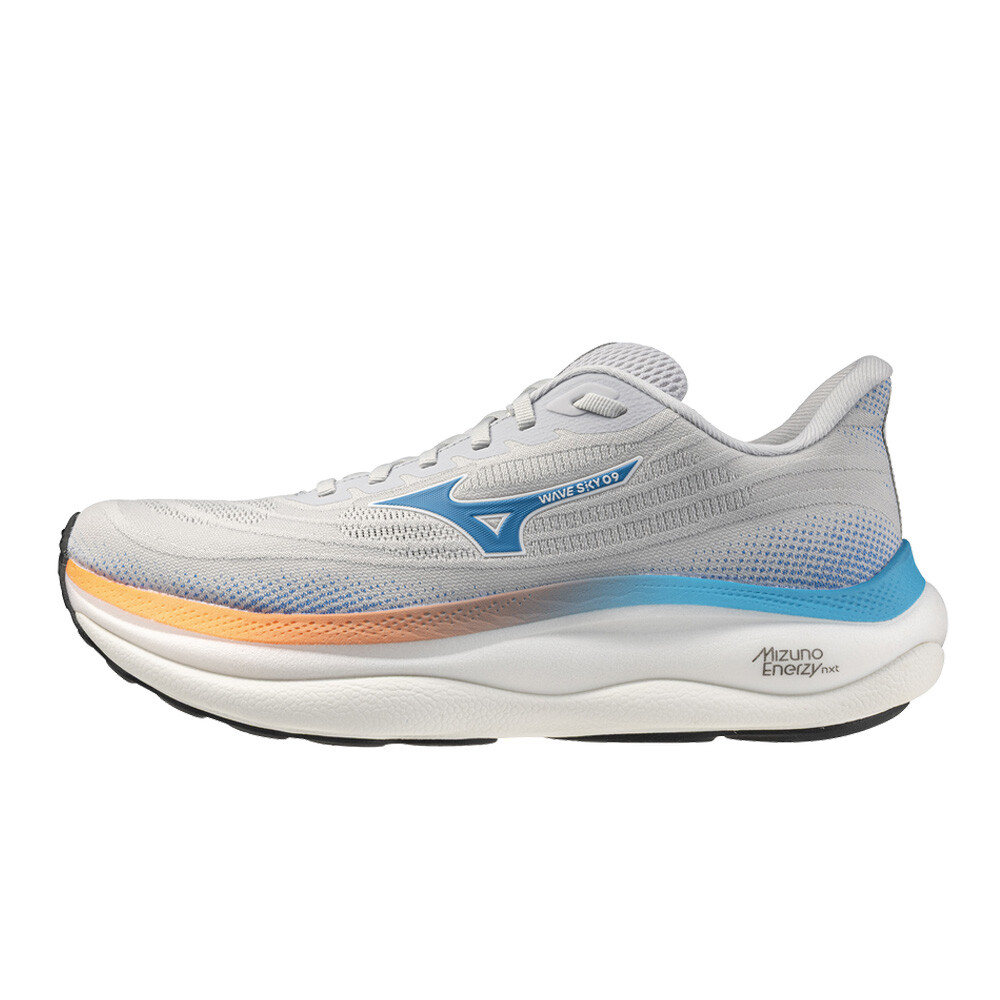
Mizuno Wave Sky 9
£165 · Max cushion · 295g · 6mm drop · 44mm stack
Thick, soft and protective, a comfy pick for recovery runs and long days.
- Picked for comfortable everyday running
- Forgiving enough for someone new to running
How this list was put together
Every shoe in our database is scored against a set of rules, and this page shows the top eight for this particular need. The rules are written down in full on the how it works page, including which ones rule a shoe out completely. Nothing on this page is ordered by commission, and the prices are RRP, so shop around because they are very often discounted.
This is a starting point rather than a fitting. Where you can, try shoes on, and if you are running through pain see a physio rather than buying your way out of it.
Common questions
What size running shoes should I buy?
Usually a half to a full size larger than your everyday shoes, because feet swell and slide forward when running. The test is a thumb width of space in front of your longest toe with the shoe laced properly.
Do I need a gait analysis?
It is rarely decisive. The evidence that matching shoes to pronation reduces injury is weak. It is more useful as a way of getting several shoes on your feet with someone watching you run, which is worth doing whatever the treadmill camera concludes.
How much should I spend on running shoes?
Between £100 and £150 buys a genuinely good shoe from every major brand. Above that you are usually paying for lighter weight or a plate, both of which suit racing rather than everyday miles. Last season’s version of a good shoe is very often the best value on the shelf.
Should I buy running shoes online or in a shop?
A shop is better the first time, because getting several shoes on your feet is worth more than any amount of reading. Once you know a model fits, buying online is fine and usually cheaper, particularly for the previous version.
Get a list for your feet, not an average one
The shortlist above assumes a fairly typical runner. The shoe finder asks about your width, how your ankles roll, your weight, where you run, your budget and any recurring niggles, then gives you three shoes and tells you why each one made it. It takes about a minute and there is no email or sign up.