Lightest running shoes
Weight is the easiest specification to compare and one of the easiest to over value. The research on it is reasonably consistent: every hundred grams added to a shoe costs roughly one percent in running economy. That is real, but it is small, and it is measured against a hundred grams, which is an enormous difference between two shoes.
Where it genuinely matters is at speed and over shorter distances. A lighter shoe feels quicker because it is easier to swing through, and that feeling is worth something on a fast session or a 5k. Over a slow long run the effect is much less noticeable than the comfort of the shoe underneath you.
The things you give up are cushioning, durability and often stability. Manufacturers get weight down by using less foam, less outsole rubber and less structure in the upper. That is a sensible trade for a race shoe and a poor one for the pair doing most of your mileage, which is why almost nobody sensible runs everything in their lightest shoes.
The shortlist
These are the shoes the Shoe Finder quiz returns when you answer it as someone in this situation. Same database, same scoring, nothing added by hand. Answer it yourself and you will get a list shaped around your own feet, weight and budget rather than an average.

Adidas Adizero Boston 13
£139.99 · Tempo · 254g · 6mm drop · 39mm stack · wide fitting · carbon plate
Firm and purposeful with rods for push off. Best when you want to work.
- Plated, so it rewards you for pushing the pace
- Matches the firm feel you asked for
- Suits the faster sessions you said you want to do
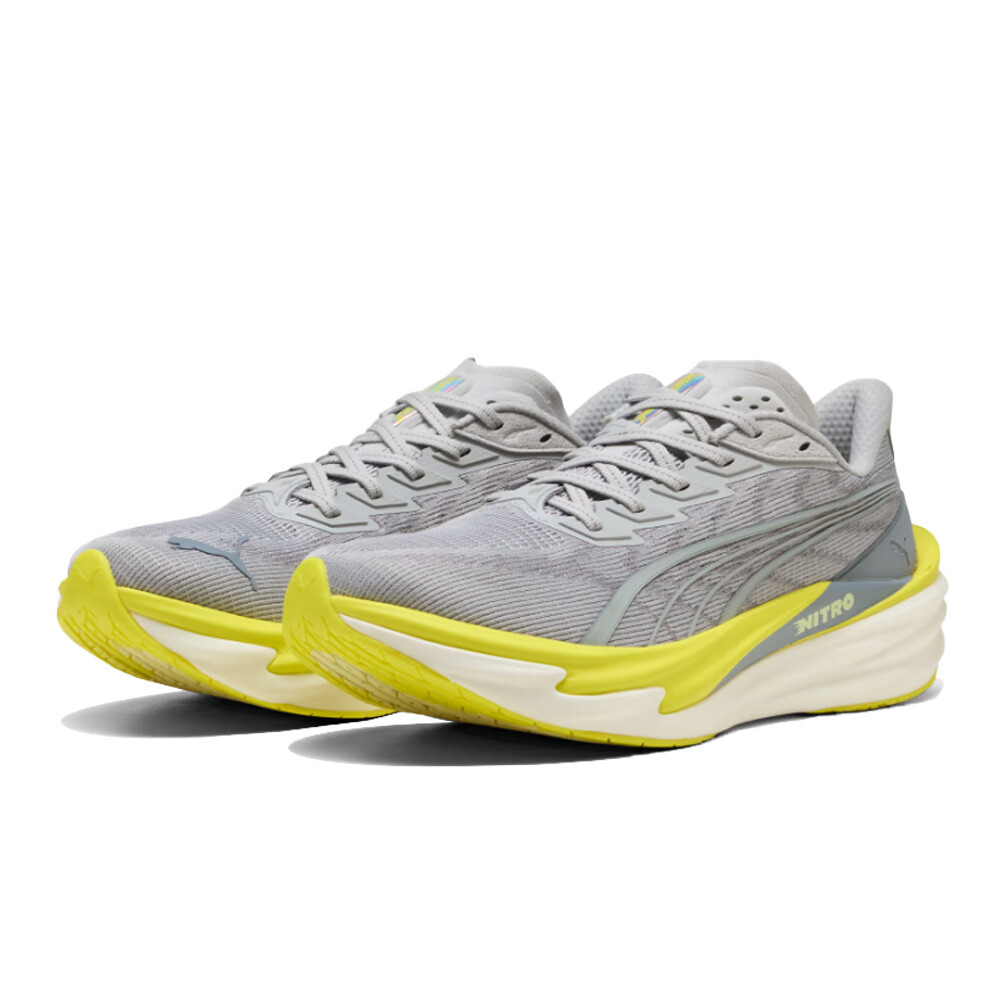
Puma Deviate Nitro 4
£150 · Tempo · 250g · 8mm drop · 38mm stack · carbon plate
One shoe that handles long runs, faster sessions and a half marathon happily.
- Plated, so it rewards you for pushing the pace
- Suits the faster sessions you said you want to do

Saucony Endorphin Speed 5
£180 · Tempo · 237g · 8mm drop · 38mm stack · wide fitting · nylon plate
A plated shoe you can actually train in every week. Fast but not fragile.
- Plated, so it rewards you for pushing the pace
- Suits the faster sessions you said you want to do

Asics Magic Speed 5
£170 · Tempo · 196g · 7mm drop · 35mm stack · wide fitting · carbon plate
Light carbon plated shoe for faster running. A cheaper way into race style shoes.
- Plated, so it rewards you for pushing the pace
- Suits the faster sessions you said you want to do
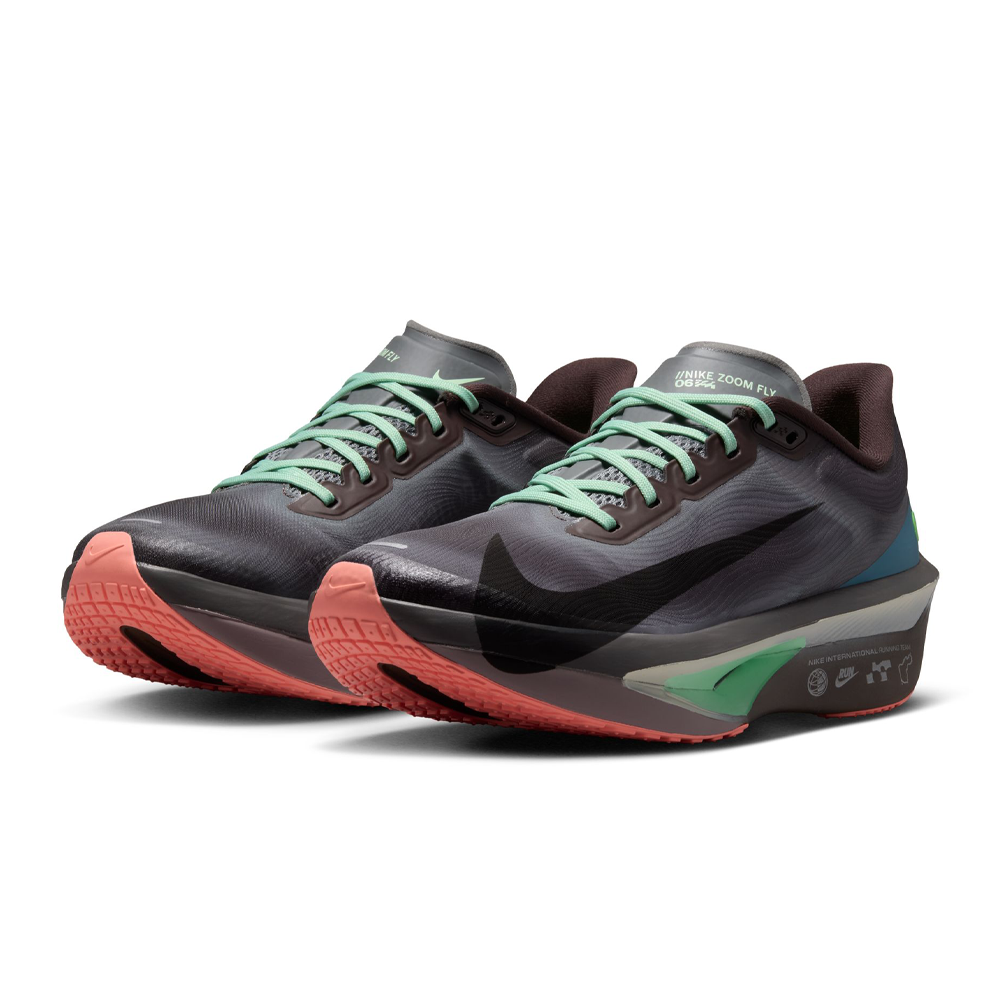
Nike Zoom Fly 6
£154.99 · Tempo · 248g · 8mm drop · 40mm stack · carbon plate
A carbon plated trainer for faster sessions. Race day feel that survives everyday training.
- Plated, so it rewards you for pushing the pace
- Suits the faster sessions you said you want to do

Adidas Adizero Evo SL
£129.99 · Tempo · 224g · 6mm drop · 36mm stack · wide fitting
Light, springy and great value. A favourite for faster runs and shorter races.
- Suits the faster sessions you said you want to do
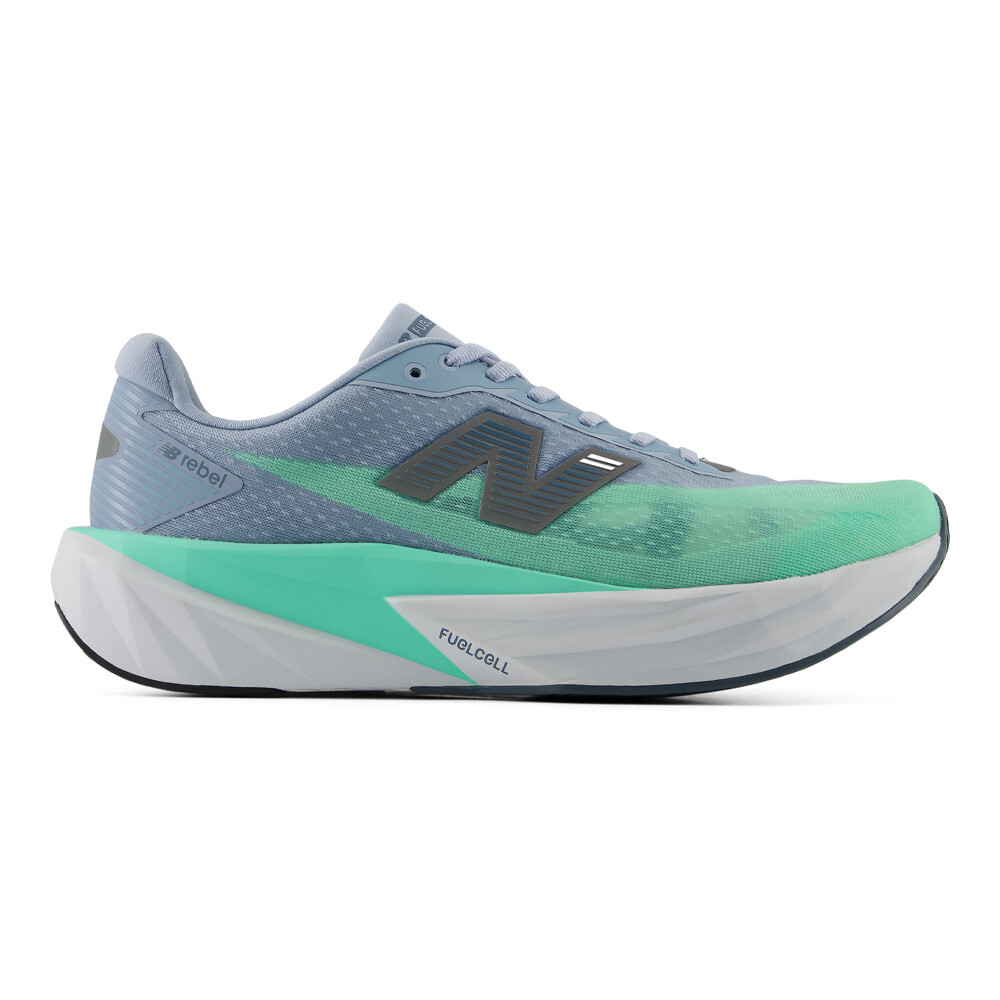
New Balance FuelCell Rebel v5
£140 · Tempo · 223g · 6mm drop · 33mm stack · 4E available
Light, bouncy and fun without a plate. A favourite for faster training runs.
- Suits the faster sessions you said you want to do
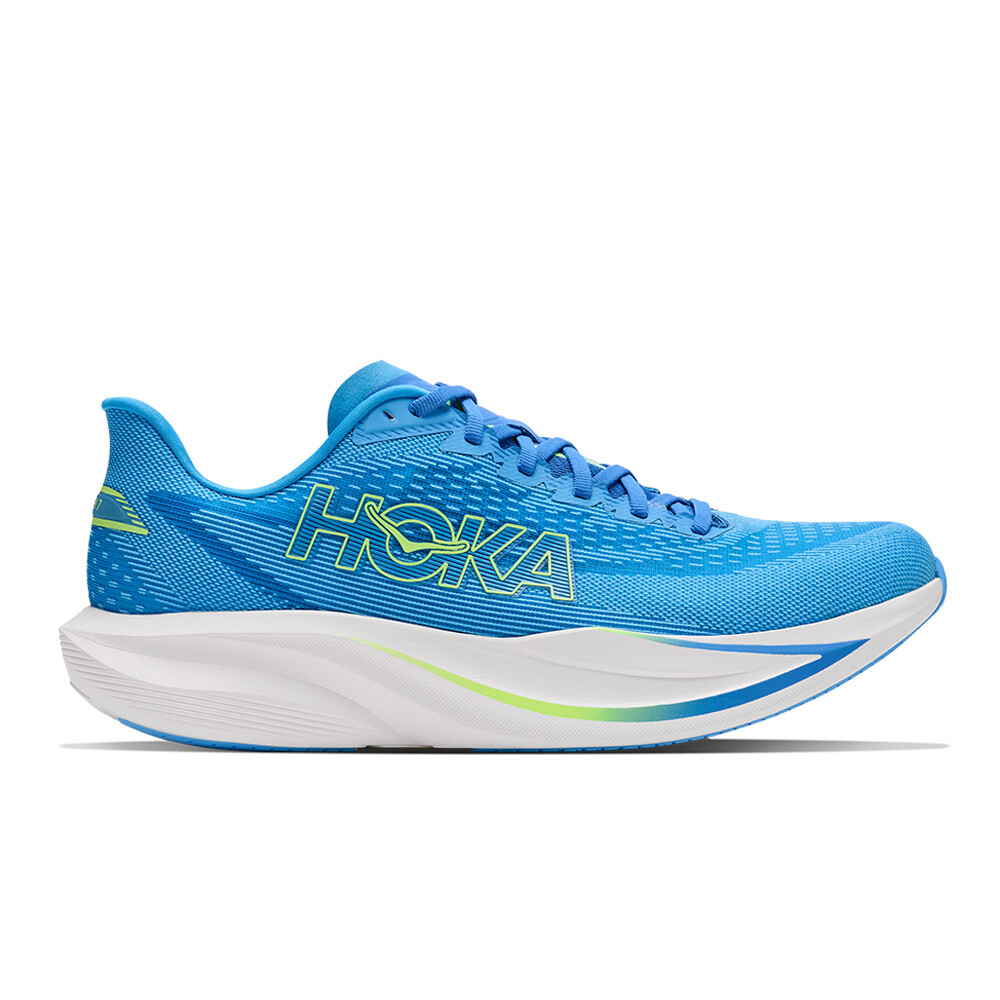
Hoka Mach 7
£140 · Tempo · 237g · 5mm drop · 37mm stack · wide fitting
Light and springy without being a race shoe. Good for picking up the pace.
- Suits the faster sessions you said you want to do
How this list was put together
Every shoe in our database is scored against a set of rules, and this page shows the top eight for this particular need. The rules are written down in full on the how it works page, including which ones rule a shoe out completely. Nothing on this page is ordered by commission, and the prices are RRP, so shop around because they are very often discounted.
This is a starting point rather than a fitting. Where you can, try shoes on, and if you are running through pain see a physio rather than buying your way out of it.
Common questions
Does a lighter running shoe make you faster?
Marginally. Around one percent of running economy per hundred grams, which over a 5k is seconds rather than minutes. It feels like more than it is, and that feeling has its own value on a fast day.
Are lightweight shoes bad for beginners?
Not bad, but usually not the best first choice. Lighter shoes tend to have less cushioning and less structure, and new runners generally benefit from more of both while their legs adapt to the load.
How much does a running shoe weigh?
A typical UK men’s nine daily trainer is around 260g to 300g. Racing shoes come in nearer 180g to 230g. Trail shoes and max cushioned shoes are usually the heaviest, often over 300g.
Get a list for your feet, not an average one
The shortlist above assumes a fairly typical runner. The shoe finder asks about your width, how your ankles roll, your weight, where you run, your budget and any recurring niggles, then gives you three shoes and tells you why each one made it. It takes about a minute and there is no email or sign up.