Best low drop and zero drop running shoes
Heel to toe drop is the height difference between the heel and the forefoot of a shoe. A traditional trainer is around 10mm to 12mm. Low drop usually means 4mm or less, and zero drop means the heel and forefoot sit at exactly the same height.
What drop changes is where the work goes. A lower heel asks more of your calf and achilles and less of your knee. A higher heel does the reverse. Neither is better in the abstract. The right one depends on which of those areas gives you trouble, and on what your legs are already used to.
The important word there is used to. Drop is the one specification where changing suddenly reliably causes problems. Going from a 10mm shoe straight into a zero drop one puts a stretch through the calf and achilles that they have not been prepared for, and the classic result is a sore achilles two weeks later. Move across gradually, keep the old pair, and use the new one for short easy runs at first.
The shortlist
These are the shoes the Shoe Finder quiz returns when you answer it as someone in this situation. Same database, same scoring, nothing added by hand. Answer it yourself and you will get a list shaped around your own feet, weight and budget rather than an average.
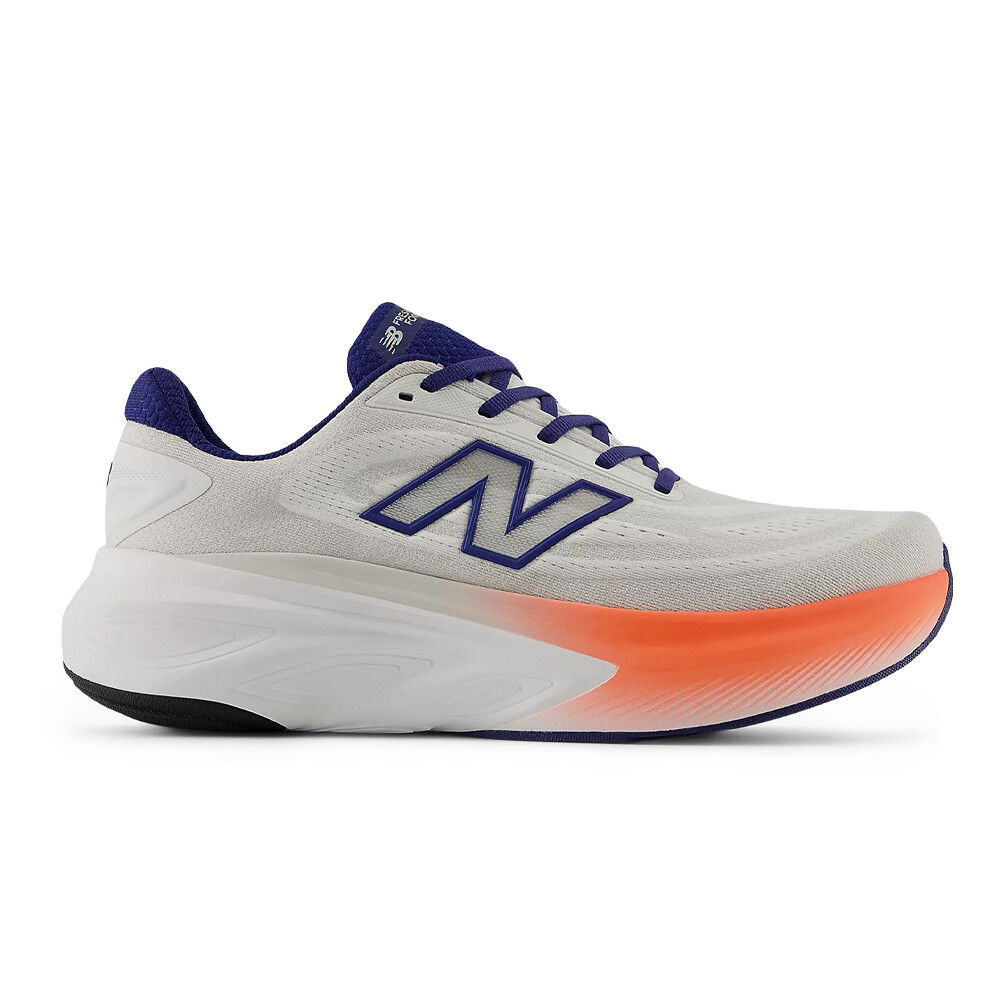
New Balance Fresh Foam X More v6
£150 · Max cushion · 306g · 4mm drop · 44mm stack · wide fitting
A huge slab of soft foam. Made for slow, comfortable miles and recovery days.
- A low 4mm heel drop, which keeps load off the front of the knee
- Picked for comfortable everyday running

Hoka Bondi 9
£160 · Max cushion · 297g · 5mm drop · 43mm stack · wide fitting
About as much cushioning as you can buy. Great if your legs and joints ache.
- A 5mm heel drop, on the lower side, which is easier on sore knees
- Picked for comfortable everyday running

Topo Athletic Atmos 2
£155 · Max cushion · 272g · 5mm drop · 40mm stack
Very soft and roomy up front, a rare mix of max cushion and toe space.
- A 5mm heel drop, on the lower side, which is easier on sore knees
- Picked for comfortable everyday running
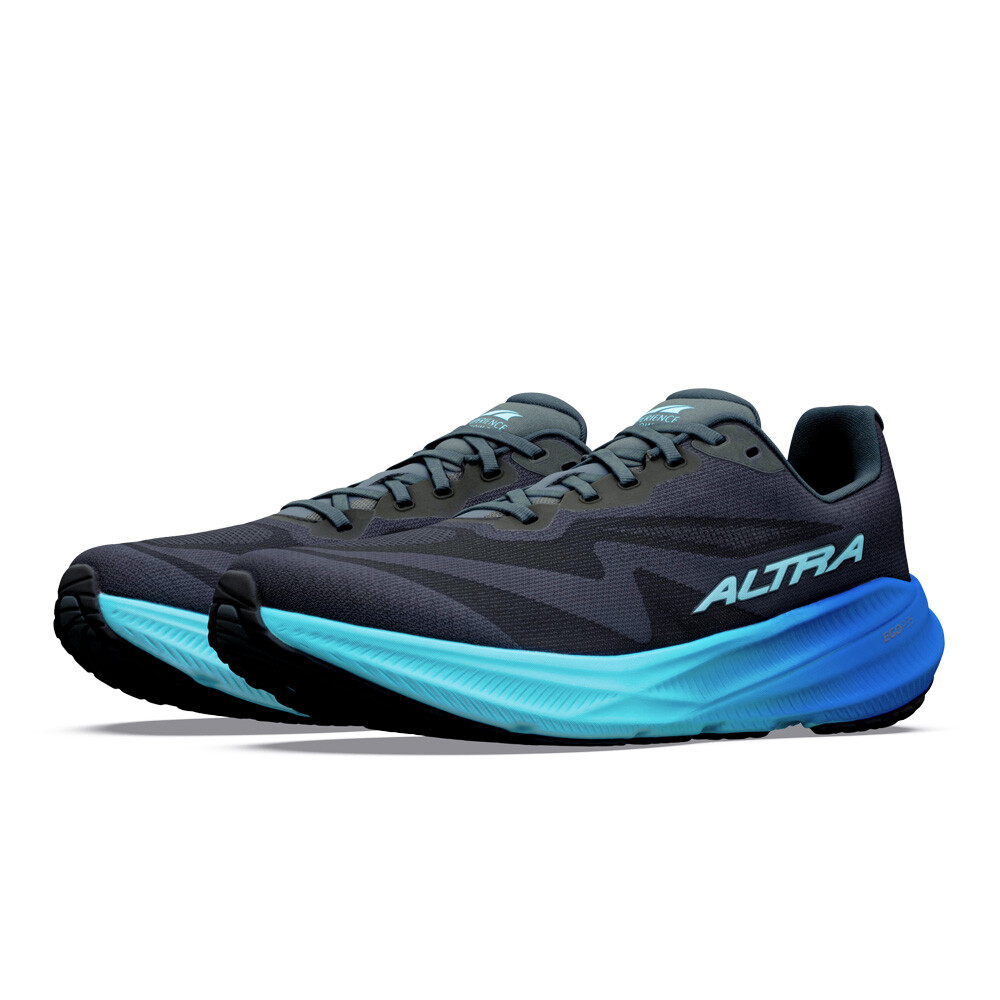
Altra Experience Flow 3
£130 · Everyday trainer · 255g · 4mm drop · 32mm stack
Wide toe room with a small heel lift, the friendliest way into Altra.
- A low 4mm heel drop, which keeps load off the front of the knee
- Matches the balanced feel you asked for
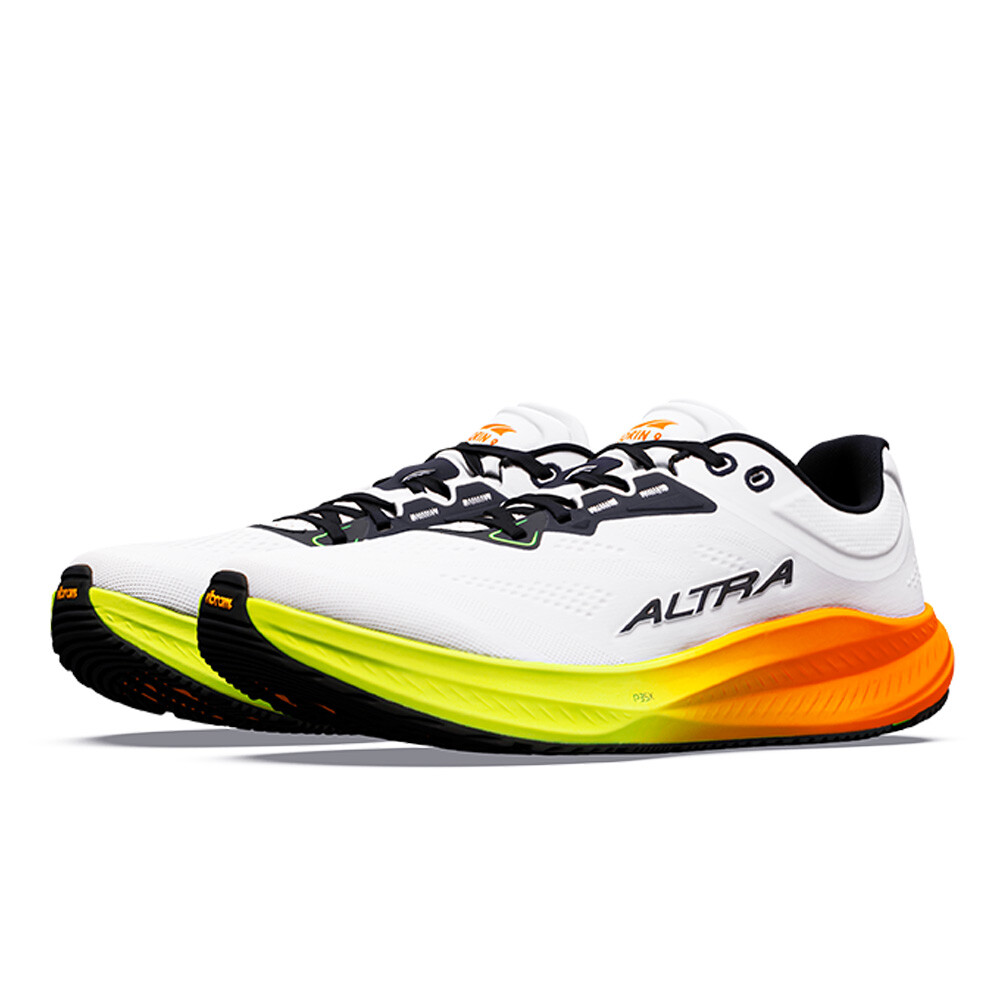
Altra Torin 9
£135 · Everyday trainer · 269g · 0mm drop · 28mm stack · wide fitting
Roomy toes and a completely flat platform, ease into it over a few weeks.
- A low 0mm heel drop, which keeps load off the front of the knee
- Matches the balanced feel you asked for

Topo Athletic Magnifly 6
£125 · Everyday trainer · 255g · 0mm drop · 26mm stack
Flat, low and close to the ground with plenty of room for your toes.
- A low 0mm heel drop, which keeps load off the front of the knee
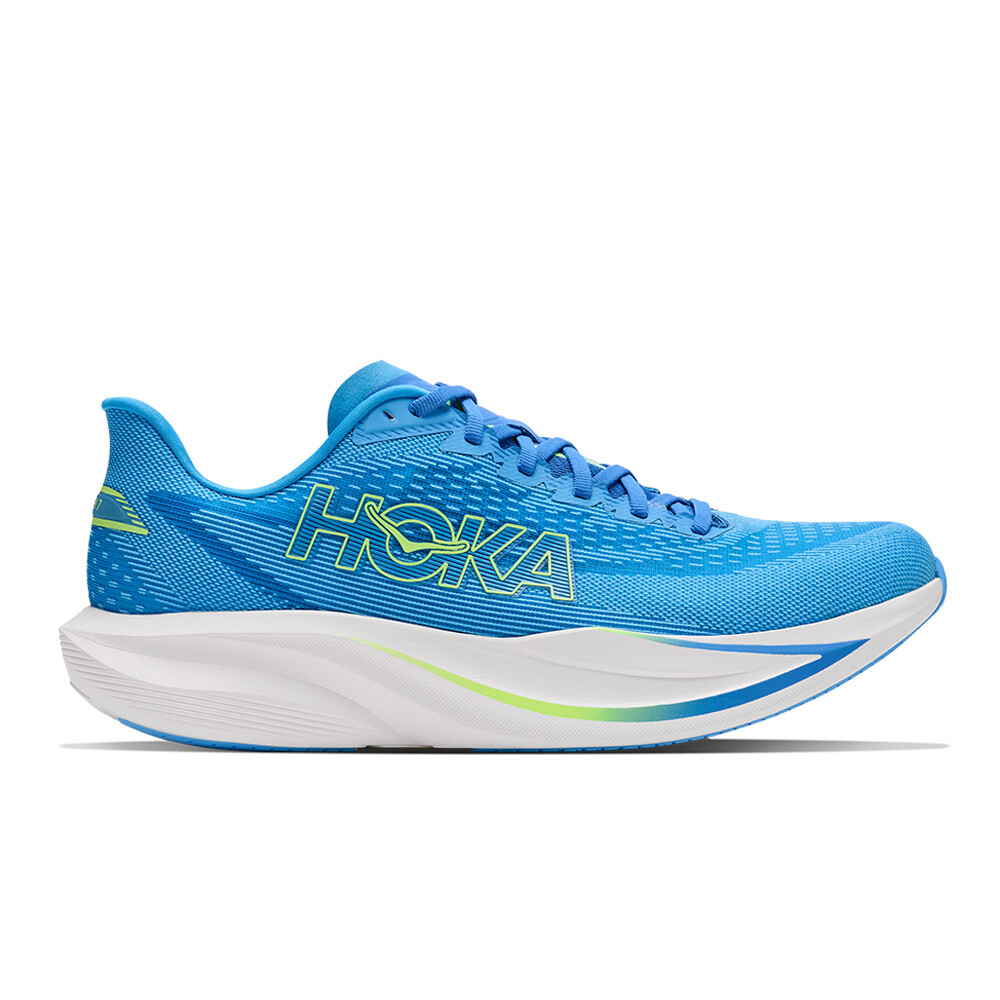
Hoka Mach 7
£140 · Tempo · 237g · 5mm drop · 37mm stack · wide fitting
Light and springy without being a race shoe. Good for picking up the pace.
- A 5mm heel drop, on the lower side, which is easier on sore knees
- Matches the balanced feel you asked for

Asics Metaspeed Sky Tokyo
£239.99 · Race day · 169g · 5mm drop · 39mm stack · carbon plate
Very light racing shoe built for runners who lengthen their stride at speed.
- A 5mm heel drop, on the lower side, which is easier on sore knees
- Matches the balanced feel you asked for
How this list was put together
Every shoe in our database is scored against a set of rules, and this page shows the top eight for this particular need. The rules are written down in full on the how it works page, including which ones rule a shoe out completely. Nothing on this page is ordered by commission, and the prices are RRP, so shop around because they are very often discounted.
This is a starting point rather than a fitting. Where you can, try shoes on, and if you are running through pain see a physio rather than buying your way out of it.
Common questions
Is zero drop better for you?
There is no good evidence that it is. It changes where load goes rather than reducing it. Some people find it more comfortable and some find it aggravating, and the only way to know which you are is to try it carefully.
How long does it take to get used to zero drop?
Several weeks at least, and longer if you have a history of calf or achilles trouble. Start with short easy runs, no more than a couple a week, and keep your usual shoes for everything else until your legs stop complaining.
Does low drop help knee pain?
It can, because it shifts load away from the front of the knee. The trade off is that it puts more through the calf and achilles, so if you have trouble at both ends you are usually better off somewhere in the middle rather than at either extreme.
Get a list for your feet, not an average one
The shortlist above assumes a fairly typical runner. The shoe finder asks about your width, how your ankles roll, your weight, where you run, your budget and any recurring niggles, then gives you three shoes and tells you why each one made it. It takes about a minute and there is no email or sign up.