Best running shoes under £140
Running shoe prices have climbed a long way, and the top of the range now sits close to £300. It is worth saying plainly that almost nobody needs to spend that. The expensive shoes are racing shoes, and what makes them expensive is technology aimed at going fast for an hour or two, not at being comfortable for the miles most people actually run.
The sweet spot is between £100 and £140. That buys a current generation daily trainer from a major brand, with a modern foam, a durable outsole and a shape that has been refined over many years. The difference between that and a £180 shoe is usually a lighter foam and a nicer upper, neither of which will change your running.
Where it is worth paying more is fit rather than performance. If you need a 4E fitting, or a genuinely wide toe box, or a support shoe, your choice narrows and the price floor goes up a bit. That is money well spent. Paying for a plate you are not going to use is not.
The shortlist
These are the shoes the Shoe Finder quiz returns when you answer it as someone in this situation. Same database, same scoring, nothing added by hand. Answer it yourself and you will get a list shaped around your own feet, weight and budget rather than an average.
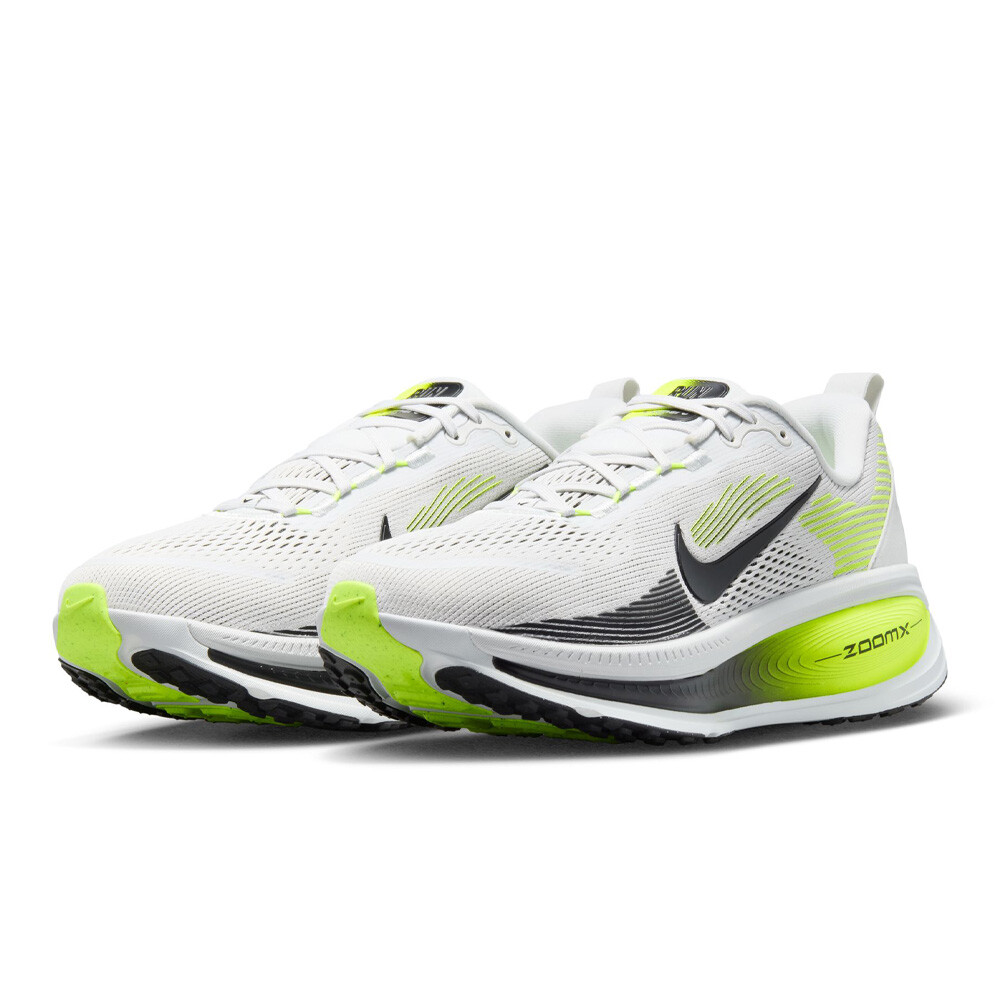
Nike Vomero 18
£134.99 · Max cushion · 298g · 10mm drop · 46mm stack · 4E available
Thick, soft and forgiving underfoot. Great value if you want maximum comfort on easy runs.
- Picked for comfortable everyday running

New Balance Fresh Foam X 880v15
£140 · Everyday trainer · 304g · 6mm drop · 40mm stack · 4E available
A sturdy, no drama trainer that lasts. Widths up to 4E if you need room.
- Matches the balanced feel you asked for
- Picked for comfortable everyday running

Mizuno Wave Rider 30
£140 · Everyday trainer · 265g · 8mm drop · 42mm stack · wide fitting
Dependable everyday trainer that lasts well and rarely gives anyone trouble.
- Matches the balanced feel you asked for
- Picked for comfortable everyday running

Asics Novablast 6
£139.99 · Everyday trainer · 249g · 8mm drop · 41mm stack · wide fitting
Bouncy and fun but still cushioned. Happy plodding along or picking up the pace.
- Matches the balanced feel you asked for
- Picked for comfortable everyday running

Adidas Supernova Rise 3
£129.99 · Everyday trainer · 264g · 8mm drop · 35mm stack · wide fitting
Soft, roomy and easy going. Adidas' straightforward shoe for regular training runs.
- Picked for comfortable everyday running

Asics Gel-Cumulus 28
£139.99 · Everyday trainer · 252g · 8mm drop · 41mm stack · 4E available
Softer and cheaper than the Nimbus. A sensible first proper running shoe.
- Picked for comfortable everyday running
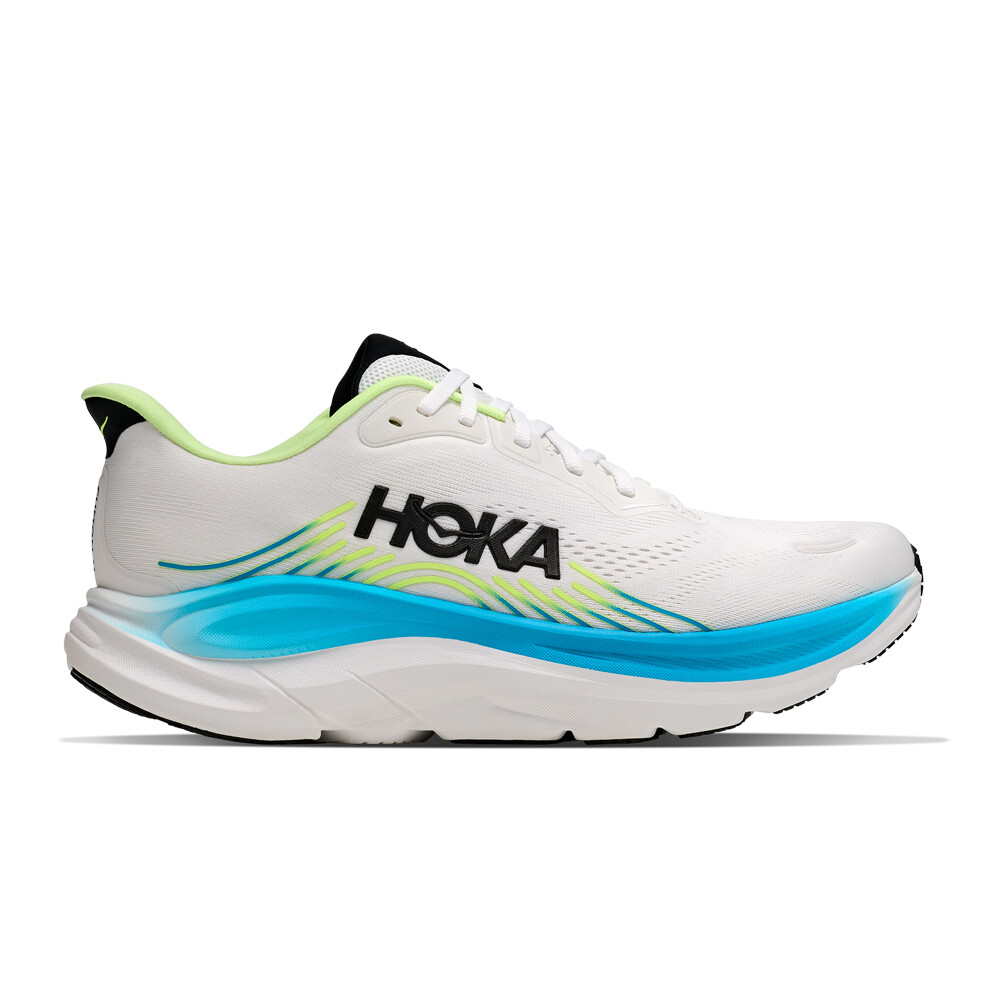
Hoka Clifton 11
£140 · Everyday trainer · 283g · 8mm drop · 42mm stack · wide fitting
Soft, light and easy to run in. Hoka's most popular everyday shoe for good reason.
- Picked for comfortable everyday running
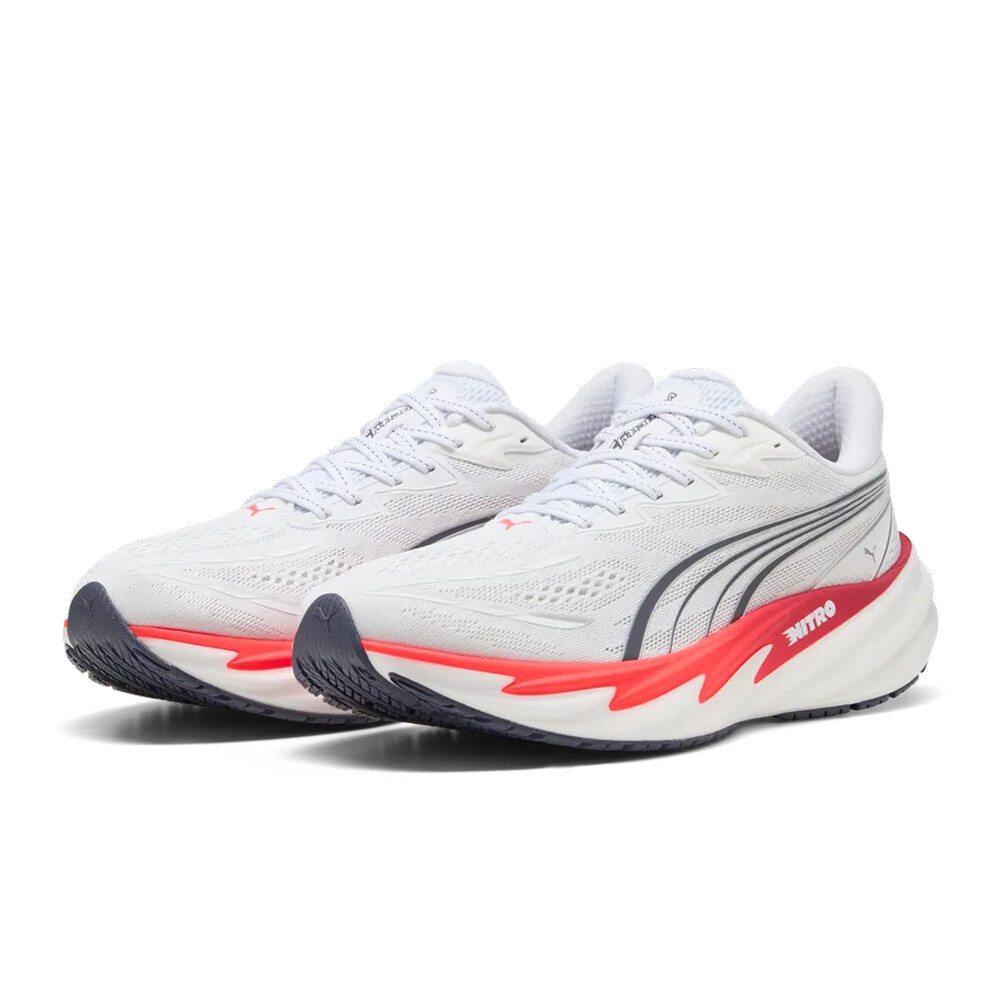
Puma Velocity Nitro 5
£110 · Everyday trainer · 244g · 8mm drop · 33mm stack
Brilliant value all rounder that does easy runs and faster days without fuss.
- Matches the balanced feel you asked for
- Well inside your budget at £110
How this list was put together
Every shoe in our database is scored against a set of rules, and this page shows the top eight for this particular need. The rules are written down in full on the how it works page, including which ones rule a shoe out completely. Nothing on this page is ordered by commission, and the prices are RRP, so shop around because they are very often discounted.
This is a starting point rather than a fitting. Where you can, try shoes on, and if you are running through pain see a physio rather than buying your way out of it.
Common questions
Are cheaper running shoes worse?
Below about £80, generally yes, because the midsole foam and the outsole rubber are where cost gets cut and those are the parts that matter. Between £100 and £140 you are buying genuinely good shoes, often last season’s model of something that cost £160 a year ago.
Should I buy last year’s model?
Very often, yes. Most updates are minor, and the previous version typically drops 30 to 40 per cent once the new one lands. The thing to check is that the update was not a significant change, because occasionally a brand alters a shoe substantially and keeps the name.
When do running shoes go on sale?
Around new model launches, which for most brands means late spring and again in autumn, and in the traditional January and Black Friday sales. Buying a size you already know fits, from a previous generation, is the cheapest reliable way to run.
Get a list for your feet, not an average one
The shortlist above assumes a fairly typical runner. The shoe finder asks about your width, how your ankles roll, your weight, where you run, your budget and any recurring niggles, then gives you three shoes and tells you why each one made it. It takes about a minute and there is no email or sign up.