Best running shoes for winter and wet weather
A British winter does not really demand a special shoe so much as a bit of grip and a realistic attitude to wet feet. Temperatures rarely stay low enough for insulation to matter once you are moving, and after ten minutes of running you are warm regardless.
Grip is the part worth paying for. Wet pavement, wet leaves and painted road markings are all slippery, and a road outsole with a lot of smooth rubber is noticeably worse on them than one with texture. If any part of your route goes off tarmac, a shoe with modest lugs will make winter far less nervy without feeling ridiculous on the road sections.
Waterproof shoes are the thing people most often get wrong. A membrane keeps water out for as long as you avoid puddles deeper than the collar, which in a British winter is optimistic. Once water goes in over the top it stays in, and the shoe takes a day longer to dry than a normal one. They are genuinely good for cold, damp, low intensity outings and frustrating for wet ones. Most runners are better off accepting wet feet and drying the shoes properly afterwards.
The shortlist
These are the shoes the Shoe Finder quiz returns when you answer it as someone in this situation. Same database, same scoring, nothing added by hand. Answer it yourself and you will get a list shaped around your own feet, weight and budget rather than an average.
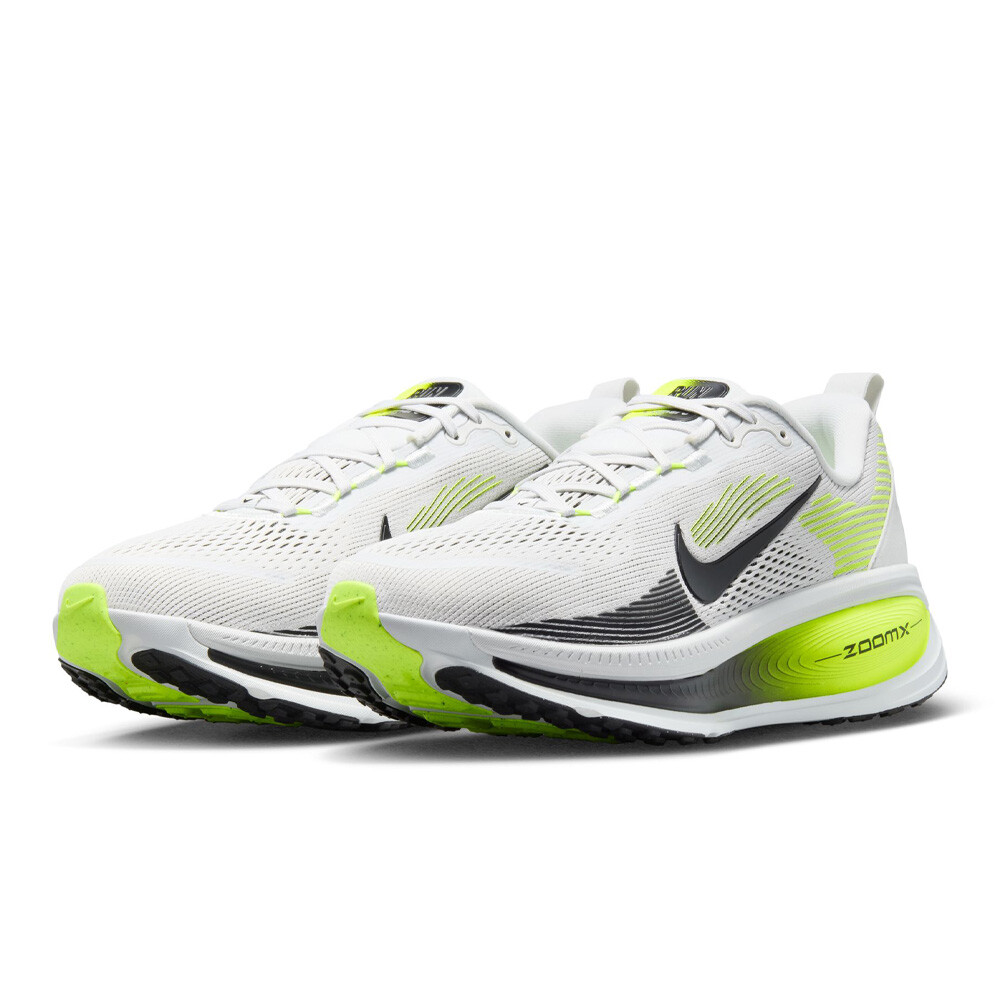
Nike Vomero 18
£134.99 · Max cushion · 298g · 10mm drop · 46mm stack · 4E available
Thick, soft and forgiving underfoot. Great value if you want maximum comfort on easy runs.
- Picked for comfortable everyday running
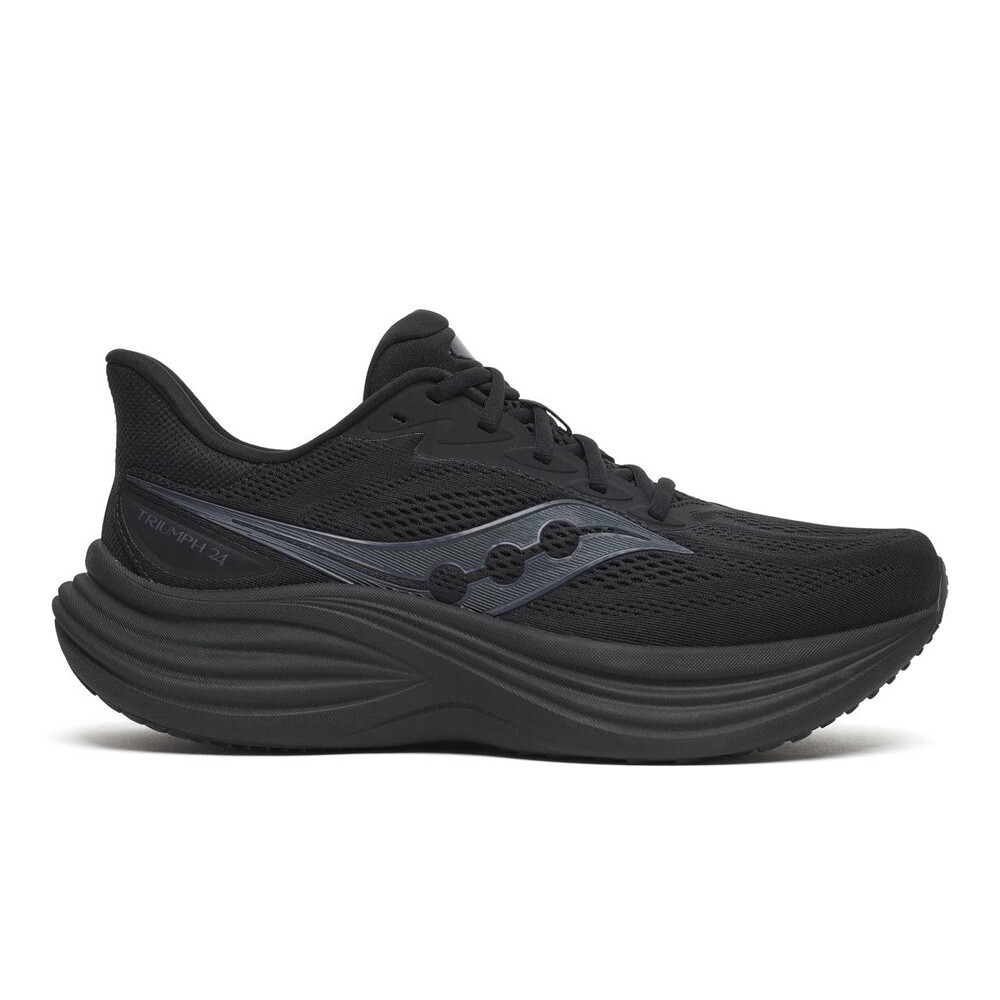
Saucony Triumph 24
£170 · Max cushion · 264g · 10mm drop · 40mm stack · wide fitting
Deep, soft cushioning that stays surprisingly light. One of the best long run shoes.
- Picked for comfortable everyday running

Brooks Glycerin 23
£165 · Max cushion · 297g · 8mm drop · 38mm stack · wide fitting
Brooks at its softest. A pricey but very comfortable shoe for steady miles.
- Picked for comfortable everyday running

Asics Gel-Nimbus 28
£179.99 · Max cushion · 278g · 8mm drop · 43mm stack · 4E available
Soft, protective and forgiving. The default choice for comfortable everyday miles.
- Picked for comfortable everyday running
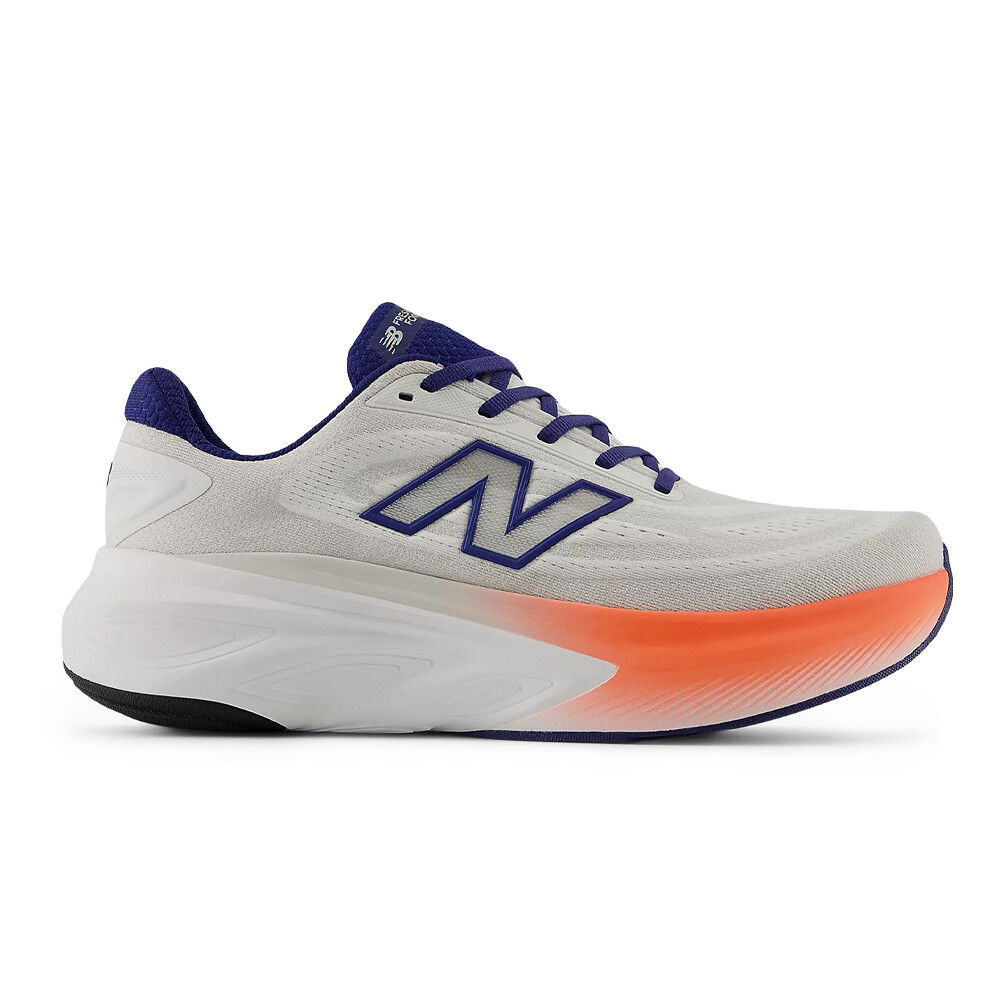
New Balance Fresh Foam X More v6
£150 · Max cushion · 306g · 4mm drop · 44mm stack · wide fitting
A huge slab of soft foam. Made for slow, comfortable miles and recovery days.
- Picked for comfortable everyday running

On Cloudmonster 3
£180 · Max cushion · 295g · 6mm drop · 40mm stack · nylon plate
Big, bouncy and fun underfoot, good for easy miles when your legs feel heavy.
- Picked for comfortable everyday running

Hoka Bondi 9
£160 · Max cushion · 297g · 5mm drop · 43mm stack · wide fitting
About as much cushioning as you can buy. Great if your legs and joints ache.
- Picked for comfortable everyday running
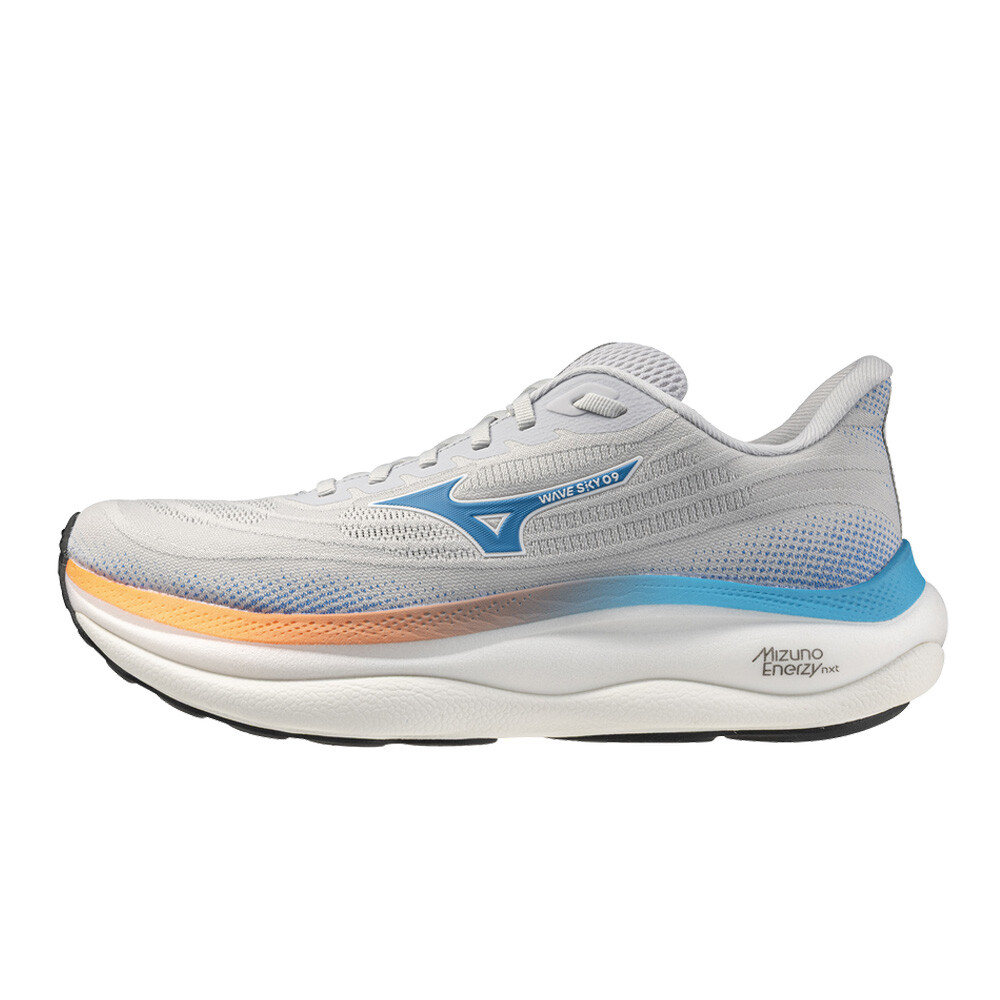
Mizuno Wave Sky 9
£165 · Max cushion · 295g · 6mm drop · 44mm stack
Thick, soft and protective, a comfy pick for recovery runs and long days.
- Picked for comfortable everyday running
How this list was put together
Every shoe in our database is scored against a set of rules, and this page shows the top eight for this particular need. The rules are written down in full on the how it works page, including which ones rule a shoe out completely. Nothing on this page is ordered by commission, and the prices are RRP, so shop around because they are very often discounted.
This is a starting point rather than a fitting. Where you can, try shoes on, and if you are running through pain see a physio rather than buying your way out of it.
Common questions
Are waterproof running shoes worth it?
For cold, boggy, slower runs, yes. For everything else, usually not. Water gets in over the collar and then cannot get out, and the membrane makes the shoe warmer and slower to dry. Wool socks and accepting wet feet works better than most people expect.
What grip do I need for winter road running?
Not much, but not nothing. A road shoe with a textured rubber outsole is fine. What catches people out is a smooth, mostly foam outsole, which is fast and light in summer and skittish on a wet painted line in January.
How do I dry running shoes properly?
Take the insoles out, loosen the laces fully and stuff them with newspaper, then leave them somewhere with moving air. Not on a radiator and not in an airing cupboard, because heat degrades midsole foam and glue faster than anything else you can do to a shoe.
Get a list for your feet, not an average one
The shortlist above assumes a fairly typical runner. The shoe finder asks about your width, how your ankles roll, your weight, where you run, your budget and any recurring niggles, then gives you three shoes and tells you why each one made it. It takes about a minute and there is no email or sign up.